
Can a Generator Serve as a Long-Term Primary Power Source? Here's What Homeowners and Businesses Should Know
Generators can provide reliable electricity during outages and off-grid situations, but using one as a long-term primary power source involves important considerations related to safety, fuel consumption, maintenance, cost, and electrical system design.
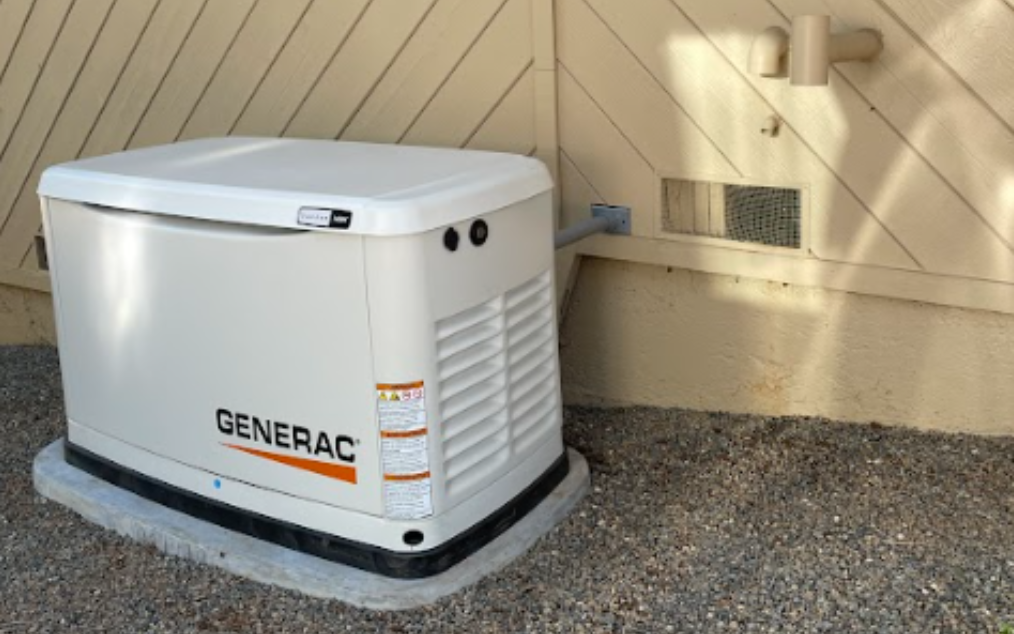
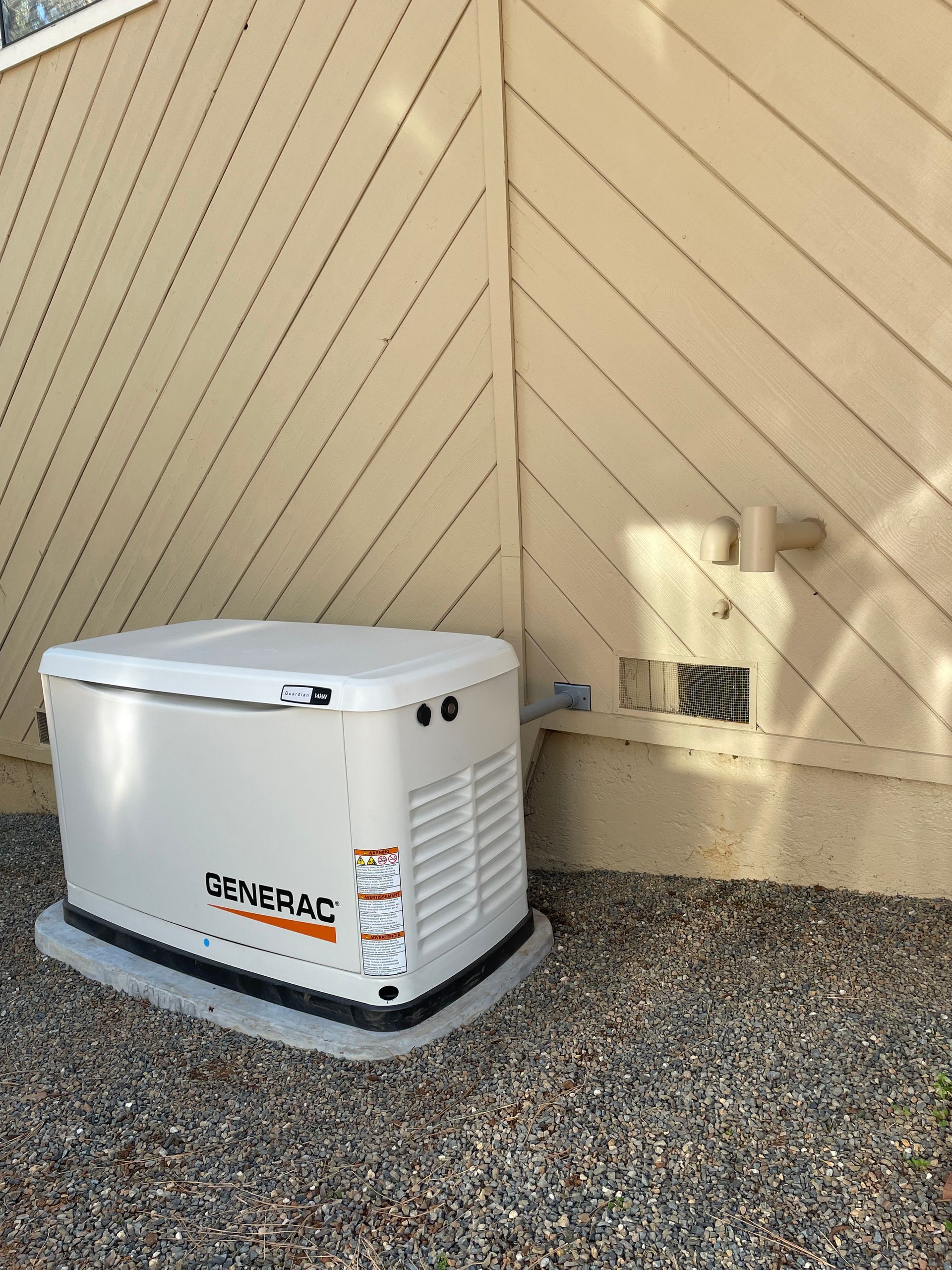
Yes, a generator can serve as a long-term primary power source when properly sized, installed, maintained, and supplied with adequate fuel, but for most homes and businesses it is typically more practical as a backup power solution rather than a permanent replacement for utility power.
Generators are designed to provide electricity when utility service is unavailable. In some remote locations, construction sites, off-grid properties, and emergency situations, generators may operate as the primary source of power for extended periods. However, long-term generator use requires careful planning to ensure reliability, efficiency, and compliance with electrical codes.
What Determines Whether a Generator Can Be Used Long-Term?
Several factors affect whether a generator is suitable as a primary power source:
Generator Size and Capacity
The generator must be capable of handling the property's electrical demand, including:
- HVAC systems
- Refrigeration equipment
- Water pumps
- Lighting
- Appliances
- EV chargers
- Commercial equipment
Undersized generators may experience excessive wear, voltage fluctuations, and premature failure.
Fuel Availability
Long-term operation depends on a reliable fuel supply. Common generator fuel sources include:
- Diesel
- Natural gas
- Propane
Natural gas systems are often preferred for extended use because they provide a continuous fuel source without requiring frequent refueling.
Maintenance Requirements
Generators operating daily require routine maintenance, including:
- Oil changes
- Filter replacements
- Coolant checks
- Battery inspections
- Load testing
Without regular service, generator reliability can decrease significantly over time.
Benefits of Using a Generator as a Primary Power Source
For certain properties and applications, generator power offers several advantages.
Reliable Power in Remote Locations
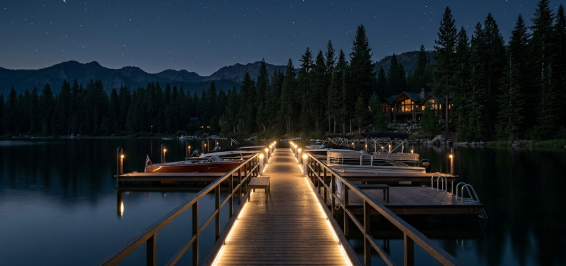
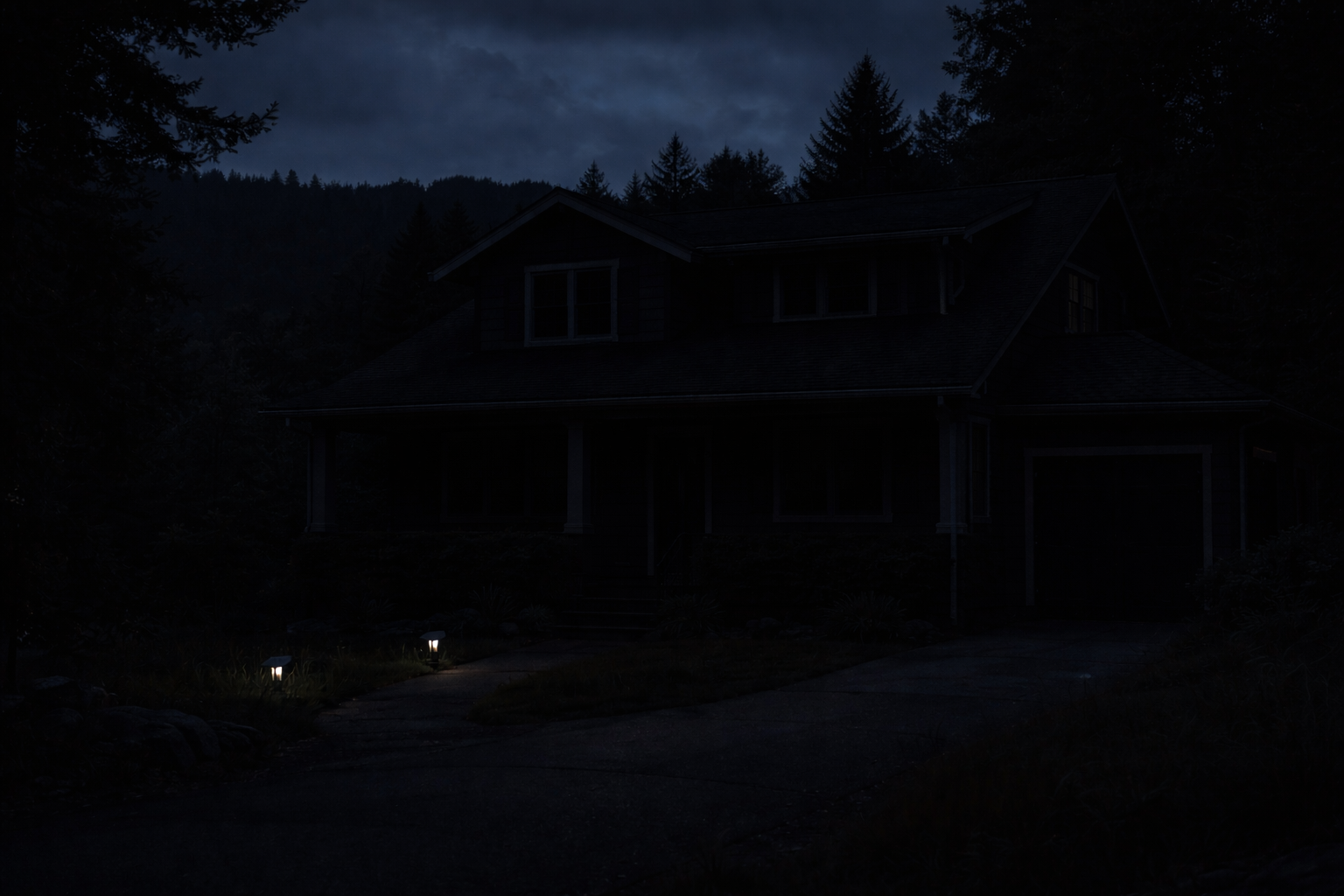
Properties located in mountainous, rural, or heavily wooded areas may not have access to reliable utility infrastructure. In these situations, generators can provide dependable electricity year-round.
Protection from Utility Outages
Areas affected by severe weather, wildfire-related power shutoffs, or aging electrical infrastructure often benefit from generator systems that maintain power during extended outages.
Business Continuity
Commercial and industrial facilities can use generators to keep operations running when utility service is interrupted. This helps reduce downtime and protect equipment, inventory, and productivity.
Challenges of Long-Term Generator Use
While generators can operate for extended periods, there are important limitations.
Fuel Costs
Continuous operation can become expensive, especially when fuel prices fluctuate. The cost of fuel often exceeds the cost of utility electricity over time.
Noise Considerations
Even modern generators produce noise that may affect neighboring properties or violate local ordinances if not properly managed.
Equipment Wear
Generators contain moving parts that experience wear during operation. Running a generator around the clock increases maintenance demands and can shorten equipment lifespan.
Environmental Impact
Long-term generator operation can produce emissions that may be higher than those associated with grid power.
When Does a Long-Term Generator Make Sense?
A generator may be a practical primary power solution when:
- Utility power is unavailable
- A property is located off-grid
- Frequent outages disrupt operations
- Temporary infrastructure is required
- Critical systems must remain operational at all times
Examples include remote homes, construction sites, agricultural operations, emergency response facilities, and certain commercial applications.
Professional Installation Matters
A long-term generator installation requires more than simply connecting a generator to a building.
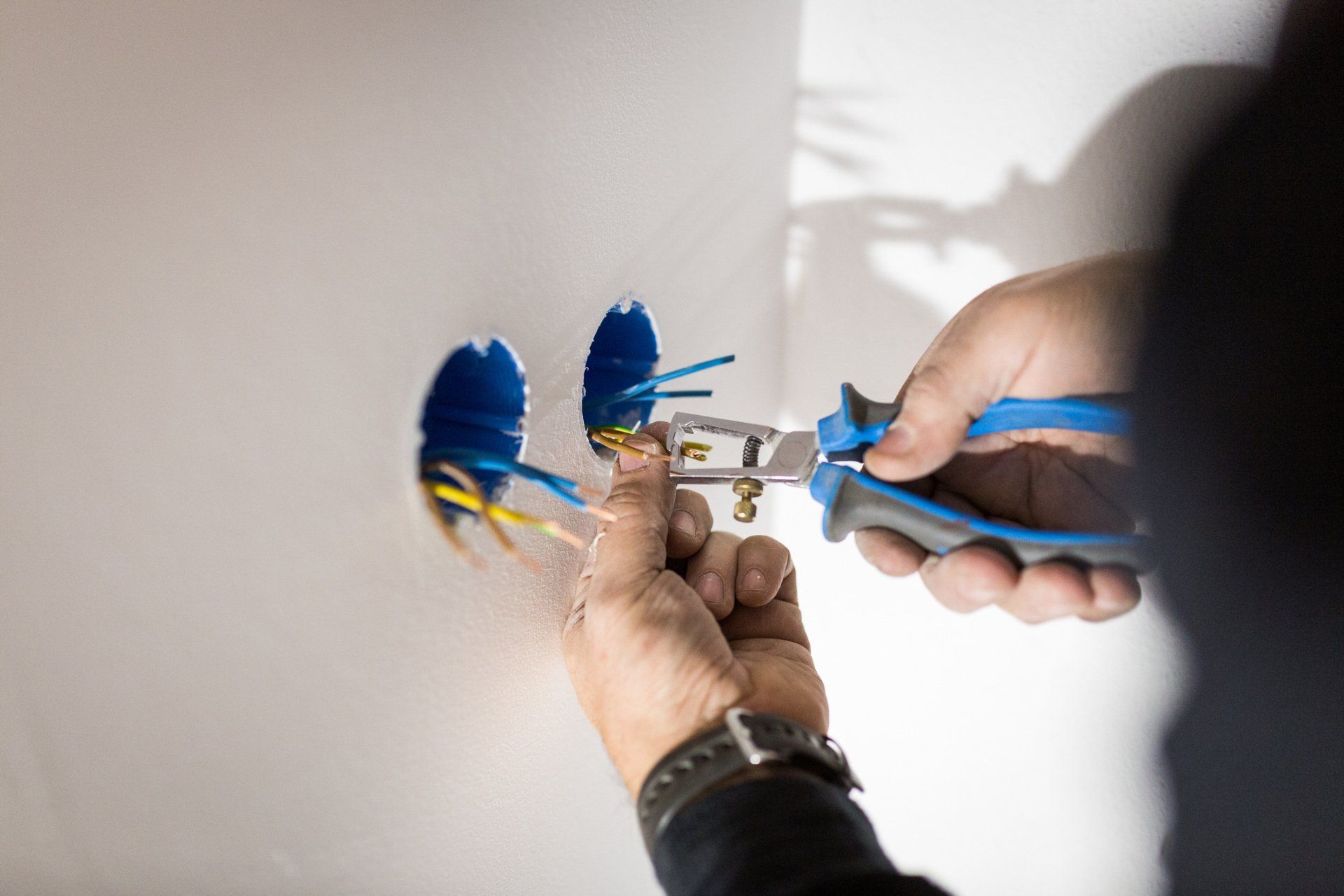
Professional electrical contractors can help with:
Residential Generator Services
- Emergency generator systems
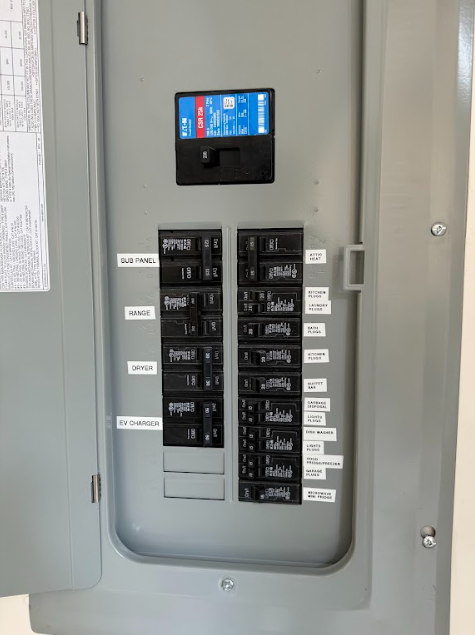
- Panel upgrades
- Electrical inspections
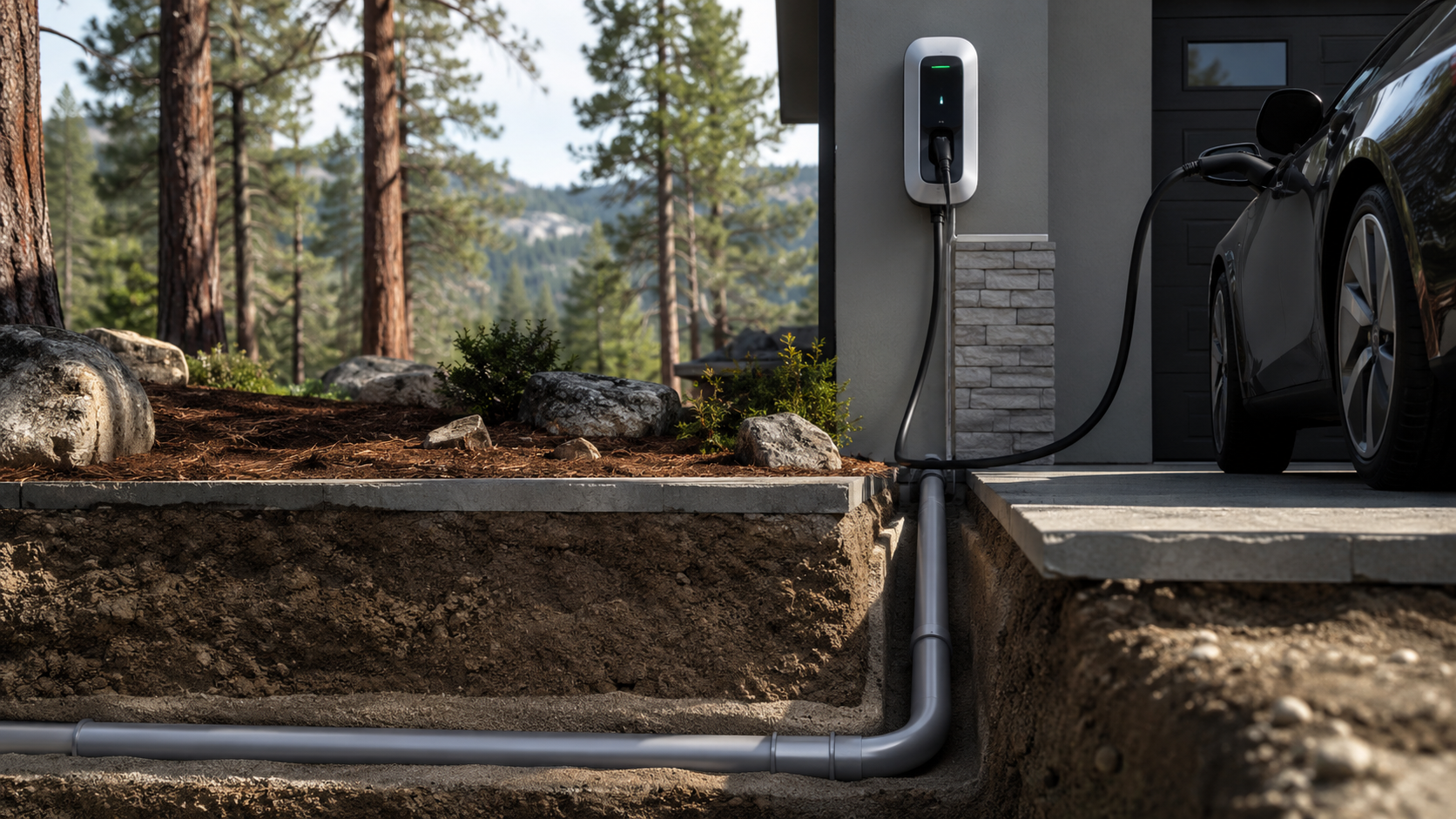
- Underground conduit installation
- Temporary power poles
- EV home charger installations
- Electrical repairs and remodels
Commercial and Industrial Generator Support
- Service upgrades
- Tenant improvements
- Security and control wiring
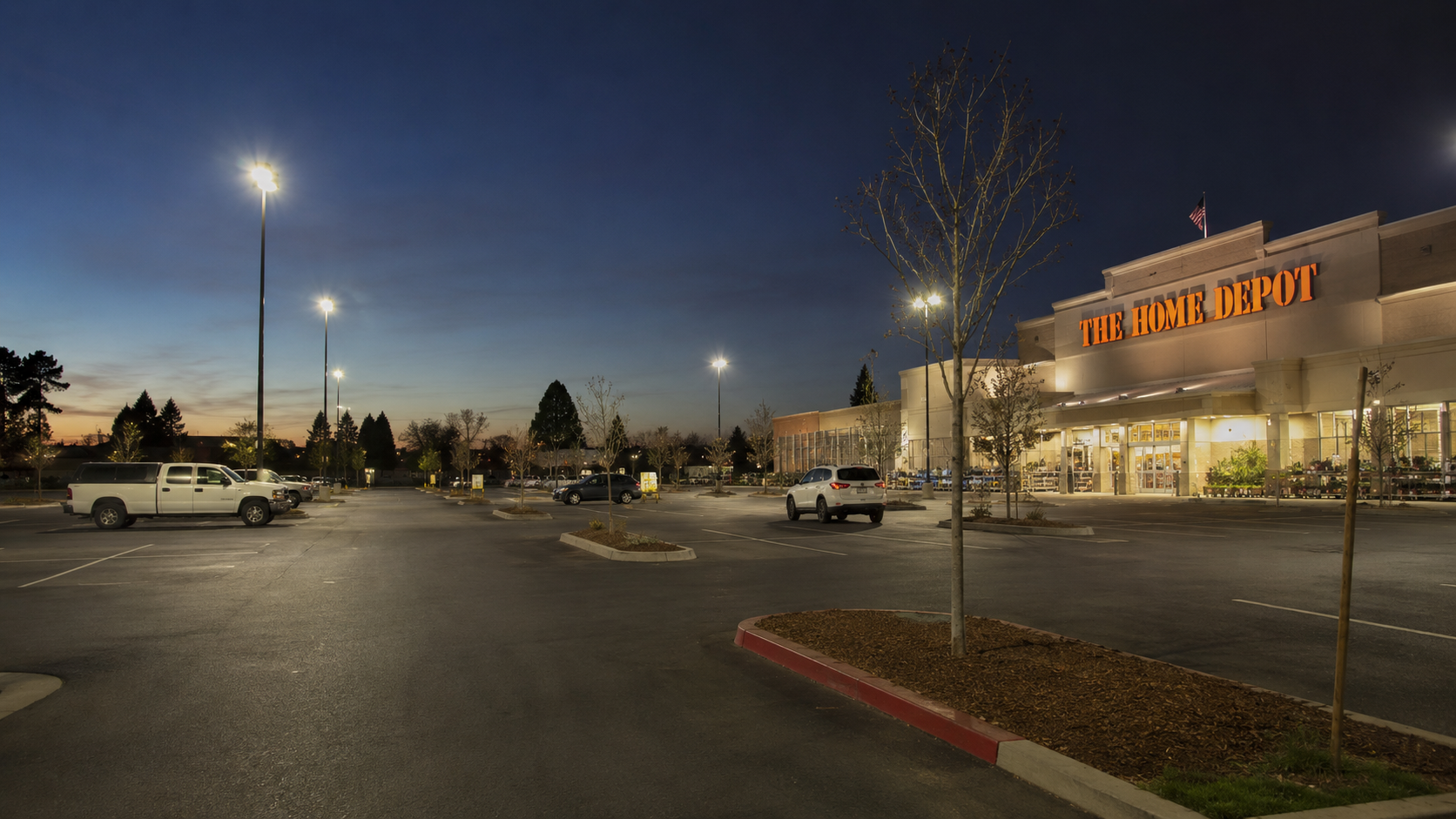
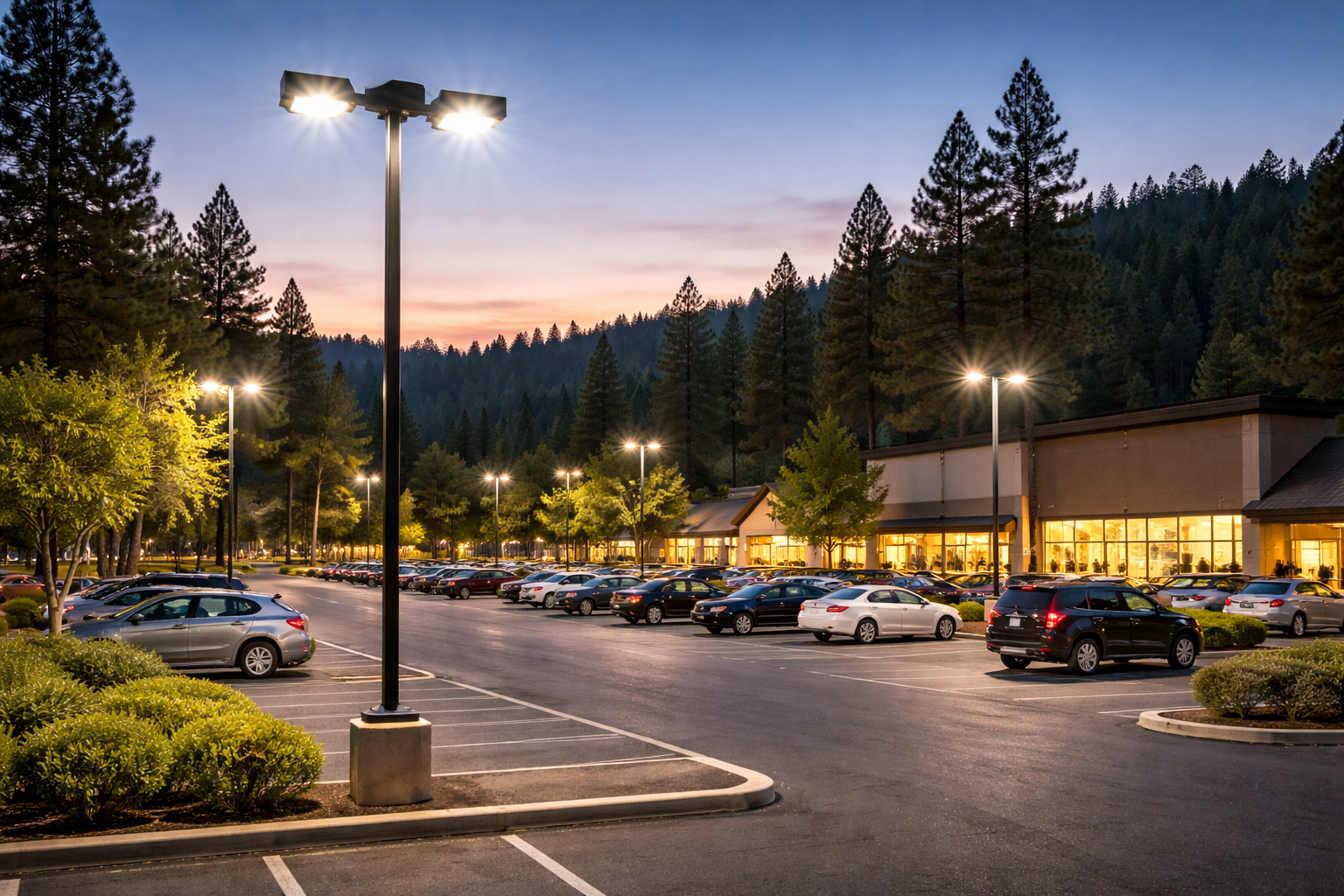
- Sign and parking lot lighting
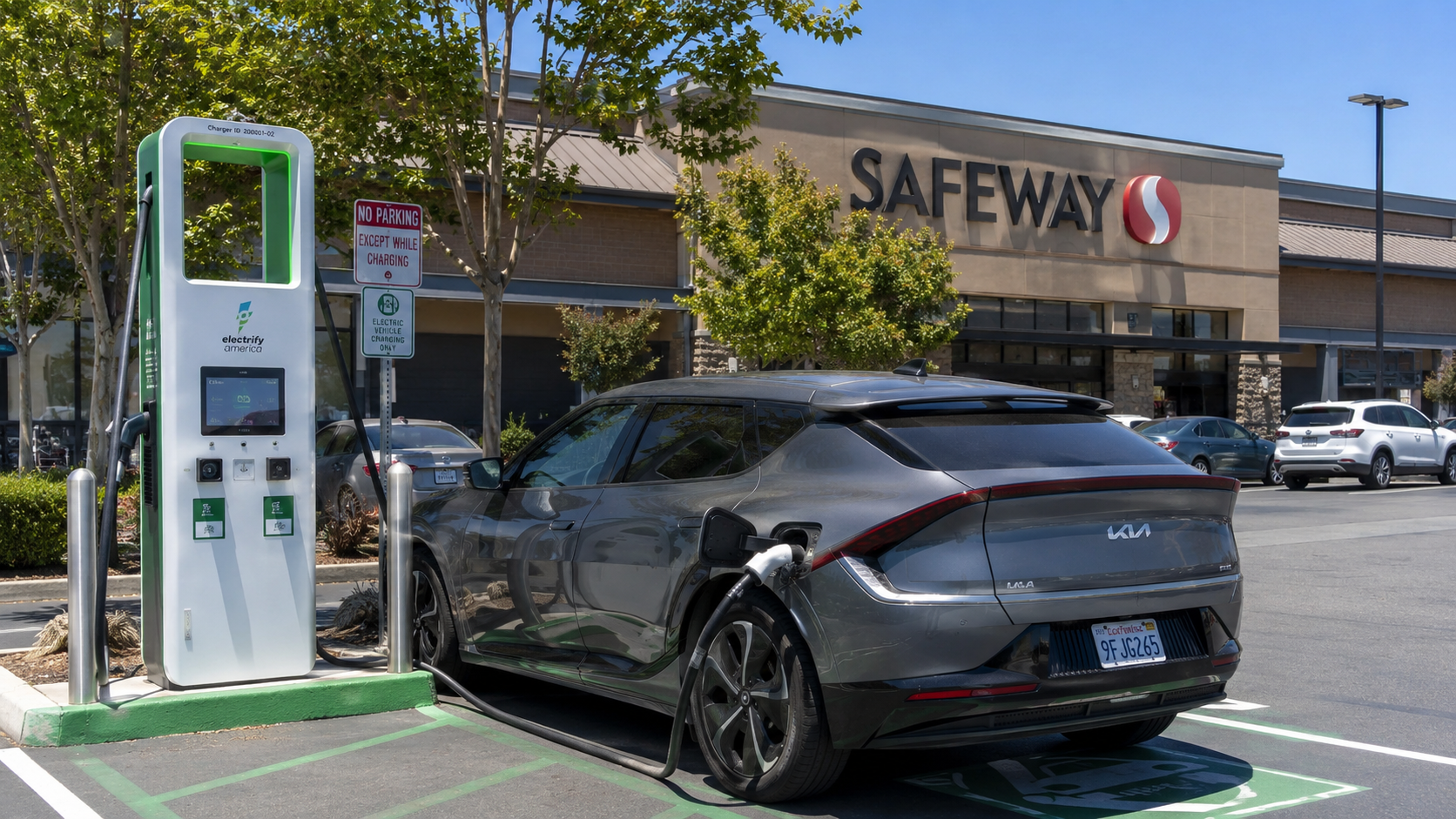
- Commercial fleet EV charger installations
Proper transfer switches, load calculations, grounding systems, and code-compliant wiring are essential for safe and reliable operation.
Generator Power Solutions Across Northern California
Property owners throughout Northern California often face weather-related outages, wildfire prevention shutoffs, and rural infrastructure challenges.
Western Sierra Electric Inc. serves communities including:
- Pollock Pines
- Placerville
- Sly Park
- Grizzly Flats
- South Lake Tahoe
- Kirkwood
- Georgetown
- Garden Valley
- Granite Bay
- Coloma
- Auburn
- Grass Valley
- Rocklin
- Roseville
- Folsom
- Ione
- Jackson
- Camino
- Somerset
- Serrano
- Meyers
- Davis
- Fairfield
- Sacramento
- El Dorado Hills
- El Dorado
- Diamond Springs
- Strawberry
- Cameron Park
- Rescue
- Shingle Springs
These areas often experience unique electrical demands that benefit from professionally designed backup and standby power systems.
How to Determine the Right Generator Size
Before investing in a generator, consider:
- Total electrical load requirements
- Essential versus non-essential circuits
- Expected outage duration
- Fuel source availability
- Future electrical needs, including EV charging
- Local permitting and code requirements
A licensed electrical contractor can perform a detailed load analysis to recommend the appropriate generator size and installation approach.
Conclusion
Generators can serve as long-term primary power sources under the right conditions, particularly for off-grid properties, remote locations, and facilities that require uninterrupted power. However, success depends on proper sizing, fuel planning, maintenance, and professional installation. For most homes and businesses, a well-designed standby generator system provides the ideal balance of reliability, safety, and cost-effectiveness.
Contact Western Sierra Electric Inc.
Whether you need an emergency generator system, electrical service upgrade, EV charger installation, panel upgrade, or professional electrical inspection, Western Sierra Electric Inc. can help design and install reliable power solutions tailored to your property's needs.
Call Western Sierra Electric Inc. today at (530) 644-5938 to discuss your generator, residential, commercial, or industrial electrical project.
Frequently Asked Questions
Q: Can a whole-house generator run continuously?
A: Many standby generators are designed to operate for extended periods, but they still require routine maintenance and periodic inspections to ensure reliable performance.
Q: Is it cheaper to use a generator instead of utility power?
A: In most cases, utility electricity is less expensive than continuously operating a generator due to fuel and maintenance costs.
Q: What fuel is best for a long-term generator?
A: Natural gas is often preferred where available because it provides a continuous fuel supply. Propane and diesel are also common options depending on site conditions.
Q: Can a generator power an EV charger?
A: Yes. A properly sized generator can support residential or commercial EV charging systems, provided the electrical load calculations account for charger demand.
Q: Do I need a transfer switch for a generator?
A: Yes. A transfer switch helps safely isolate the generator from utility power and is typically required for code-compliant installations.