
How Much Time Does It Take to Install Commercial EV Chargers? Here's What Business Owners Should Know
Commercial EV charger installation timelines can vary depending on the size of the project, site conditions, permitting, and electrical infrastructure. This guide explains what affects installation time and how businesses across Northern California can plan for a smoother EV charging upgrade.
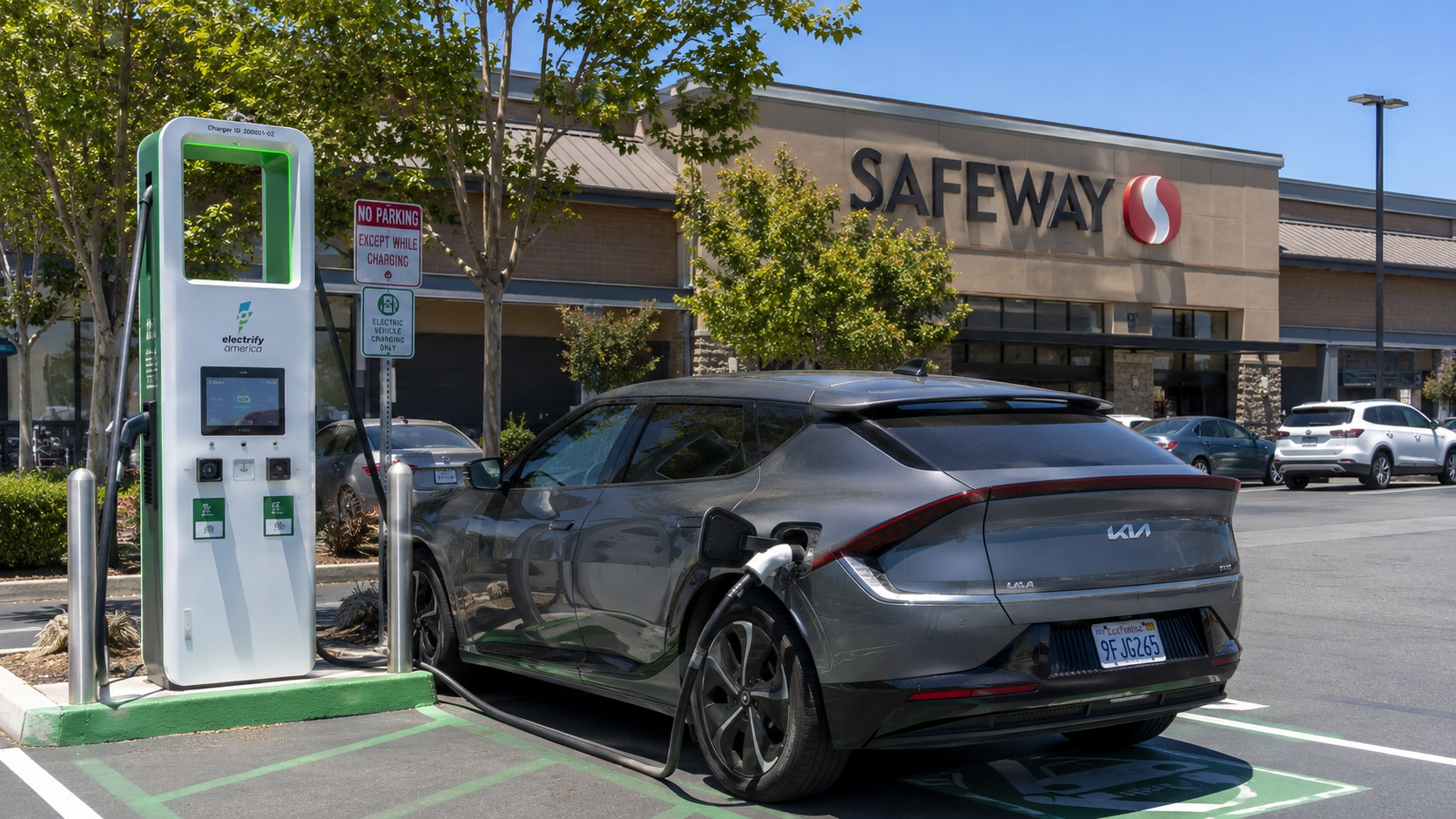
Commercial EV charger installations typically take anywhere from a few days to several weeks, depending on the number of chargers, the condition of the electrical system, permitting requirements, trenching needs, and utility coordination. Smaller projects may be completed quickly, while larger fleet or multi-unit installations often require additional planning and infrastructure work.
As more businesses, property owners, and fleet operators invest in electric vehicle infrastructure, one of the most common questions is how long the installation process will take. The answer depends on several factors, including the charger type, the location of the installation, and the electrical capacity already available at the property.
For commercial properties, installing EV chargers is more involved than a standard residential installation. It often requires permitting, load calculations, utility approvals, and coordination with contractors and inspectors. Understanding the timeline upfront helps businesses prepare budgets, schedules, and operational plans more effectively.
What Affects Commercial EV Charger Installation Time?
Several factors influence how long a commercial EV charging project takes from start to finish.
1. Number of Chargers Being Installed
A single charger for employee or customer use can often be installed much faster than a multi-port fleet charging station. More chargers usually mean:
- Larger electrical loads
- Additional conduit runs
- More trenching or site work
- Expanded panel or service upgrades
- Longer inspection timelines
2. Existing Electrical Infrastructure
Properties with sufficient electrical capacity can move much faster through installation. If the building already has room in the electrical panel and enough power available, installation may only take a few days after permits are approved.
However, projects that require:
- Service upgrades
- Panel upgrades
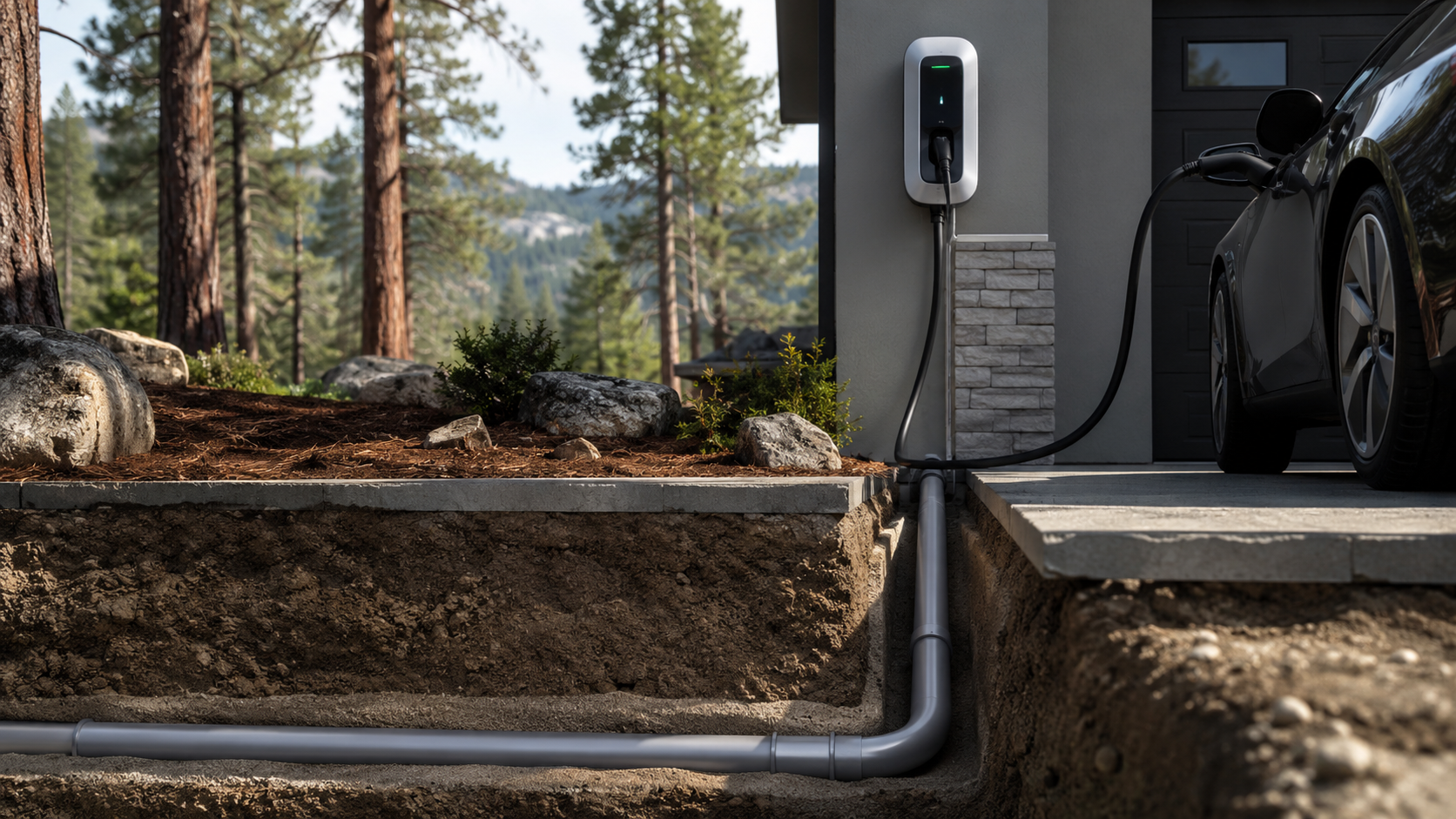
- Underground conduit installation
- Transformer coordination
- Temporary power poles
...will naturally take longer.
3. Permitting and Utility Coordination
Commercial EV charger installations often require permits from local jurisdictions and approval from utility companies. Permit processing times can vary between cities and counties throughout Northern California.
Utility coordination may also be needed if:
- Additional electrical capacity is required
- New transformers must be installed
- Meter upgrades are necessary
In some cases, utility scheduling can add several weeks to the overall project timeline.
4. Site Conditions
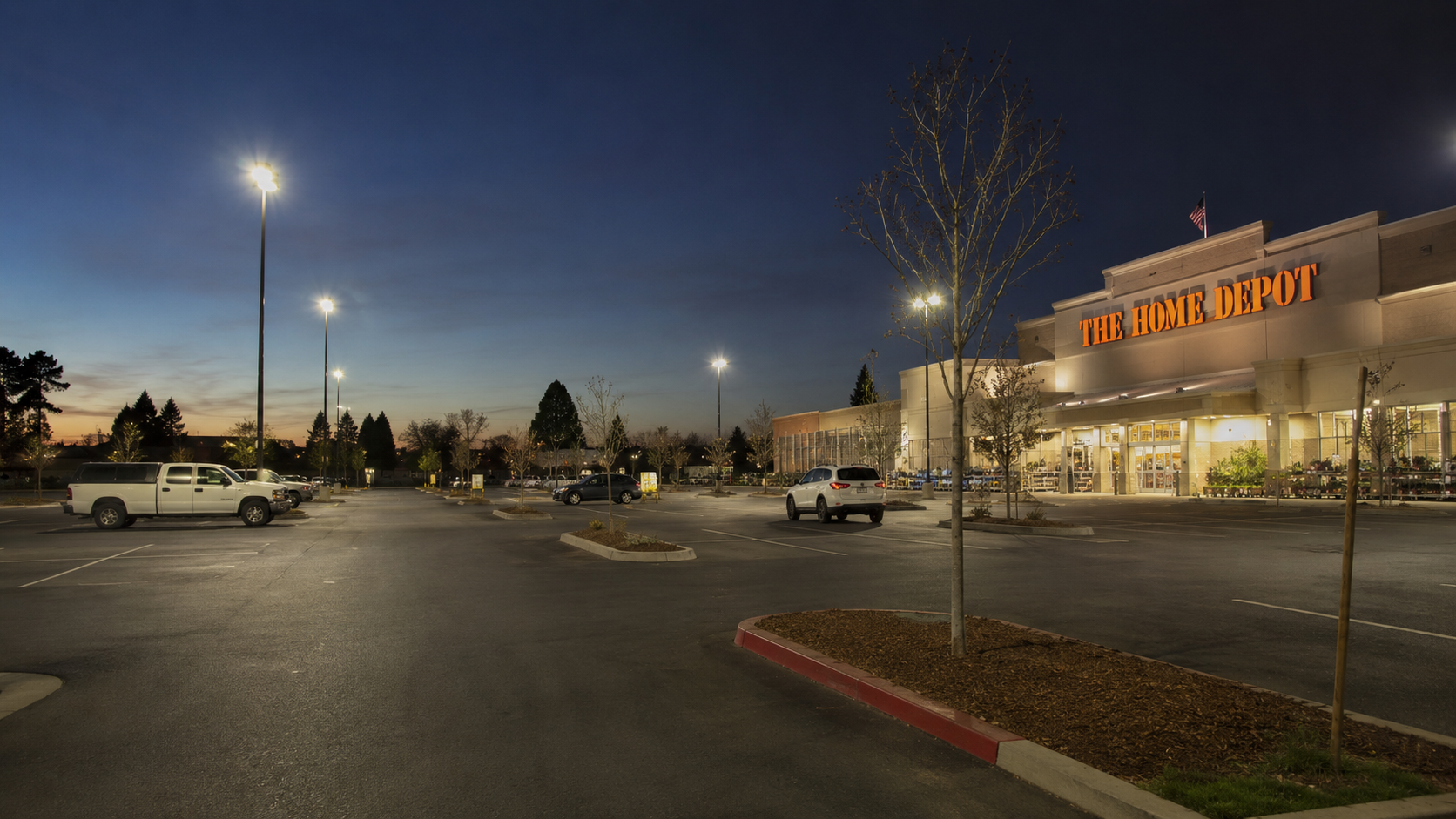
Installation speed can also depend on the physical layout of the property. Parking lot conditions, trenching requirements, and distance from the electrical service all impact labor time.
For example:
- Surface-mounted conduit is generally faster
- Underground conduit installation takes longer
- Concrete cutting and patching add labor time
- Remote parking locations increase installation complexity
Typical Commercial EV Charger Installation Timeline
While every project is different, most commercial EV charger installations follow a similar process.
Initial Site Assessment: 1 to 3 Days
The contractor evaluates:
- Electrical capacity
- Parking layout
- Utility access
- Charger locations
- Permitting needs
This phase helps determine project scope and identify any electrical upgrades needed.
Design and Permitting: 1 to 4 Weeks
Permit timelines vary by location and project complexity. Some municipalities process permits quickly, while larger commercial projects may require additional plan reviews.
Electrical Upgrades and Infrastructure Work: Several Days to Multiple Weeks
This stage may include:
- Service upgrades
- Panel upgrades
- Underground conduit installation
- Security and control wiring
- Parking lot lighting modifications
Projects involving commercial fleets or multiple charging stations often require more extensive infrastructure preparation.
Charger Installation and Final Inspection: 1 to 5 Days
Once infrastructure is complete, the chargers are mounted, connected, tested, and inspected. Final utility approvals may also be required before activation.
Why Proper Planning Matters
Commercial EV charging projects involve more than simply mounting chargers on a wall. Businesses benefit from working with experienced electrical contractors who understand permitting, load management, and commercial electrical systems.
A properly planned installation can help:
- Avoid costly delays
- Reduce future upgrade costs
- Improve charging reliability
- Ensure code compliance
- Support future expansion
Commercial EV Charger Installations for Northern California Businesses
Businesses across Northern California are increasingly adding EV charging stations for employees, customers, tenants, and commercial fleets. Local expertise matters because permitting requirements and electrical infrastructure can vary significantly between communities.
Western Sierra Electric Inc. provides commercial and industrial electrical services throughout:
- Pollock Pines
- Placerville
- South Lake Tahoe
- Georgetown
- Garden Valley
- Granite Bay
- Auburn
- Grass Valley
- Rocklin
- Roseville
- Folsom
- Jackson
- Sacramento
- El Dorado Hills
- Cameron Park
- Shingle Springs
- Fairfield
- Davis
- And surrounding Northern California communities
In addition to commercial EV charger installations for fleets and businesses, the company also provides:
- Tenant improvements
- Service upgrades
- Sign and parking lot lighting
- Security and control wiring
- Residential electrical remodels and repairs
- Electrical home inspections
- Emergency generator systems
- EV home charger installations
Signs Your Property May Need Electrical Upgrades Before EV Charger Installation
Many commercial properties require infrastructure improvements before EV chargers can be safely installed.
Common indicators include:
- Older electrical panels
- Limited available breaker space
- Frequent breaker trips
- Insufficient service capacity
- Aging wiring systems
- Long distances between panels and parking areas
An electrical inspection helps identify these issues before installation begins.
Choosing the Right Commercial EV Charger Setup
Different businesses have different charging needs. The best charger setup depends on:
- Daily vehicle traffic
- Fleet size
- Employee charging needs
- Customer parking duration
- Future expansion plans
Some businesses only need Level 2 chargers for daytime parking, while others may require DC fast charging for commercial fleet operations.
Schedule a Commercial EV Charger Consultation
If your business is planning a commercial EV charger installation, Western Sierra Electric Inc. can help evaluate your property, identify infrastructure needs, and complete the installation safely and efficiently.
Call Western Sierra Electric Inc. at (530) 644-5938 to discuss your commercial EV charging project and electrical service needs throughout Northern California.
Conclusion
Commercial EV charger installation timelines depend on infrastructure, permitting, utility coordination, and project size. While smaller projects may move quickly, larger commercial installations often require additional planning and electrical upgrades.
Working with an experienced electrical contractor helps businesses avoid delays, maintain code compliance, and prepare their properties for the growing demand for EV charging infrastructure across Northern California.
Frequently Asked Questions
Q: How long does it take to install one commercial EV charger?
A: A single commercial EV charger can sometimes be installed in a few days if the property already has sufficient electrical capacity and permits are approved quickly.
Q: Do commercial EV chargers require permits?
A: Yes. Most commercial EV charger installations require electrical permits and inspections from local jurisdictions.
Q: Can older commercial buildings support EV chargers?
A: Many can, but older buildings often require panel upgrades or service upgrades before chargers can be installed safely.
Q: What is the difference between Level 2 and DC fast chargers?
A: Level 2 chargers provide slower charging suitable for longer parking periods, while DC fast chargers provide much faster charging for fleet or high-traffic applications.
Q: Can EV charger installations include future expansion?
A: Yes. Many businesses install conduit and electrical capacity for future chargers during the initial project to reduce future costs.
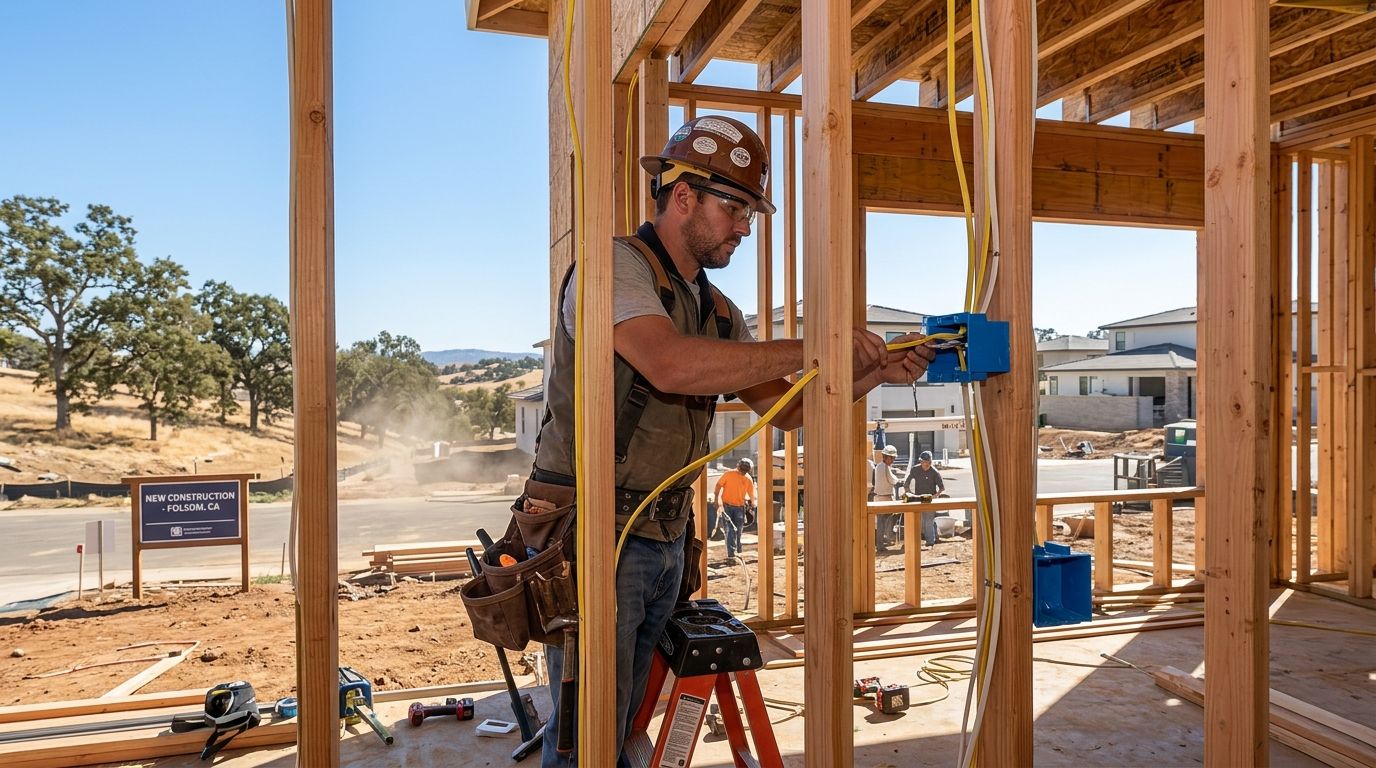
How long does the electrical portion of a residential construction project take? Here’s what to know