
What Size Generator Do I Need to Power My Home? Here's Everything You Should Know

Western Sierra Electric • 22 July 2026

Choosing the right generator is one of the most important decisions you can make to keep your home powered during an outage. This guide explains how to determine the correct generator size, what affects your power needs, and how working with a Generac dealer and authorized installer can help ensure reliable backup power.
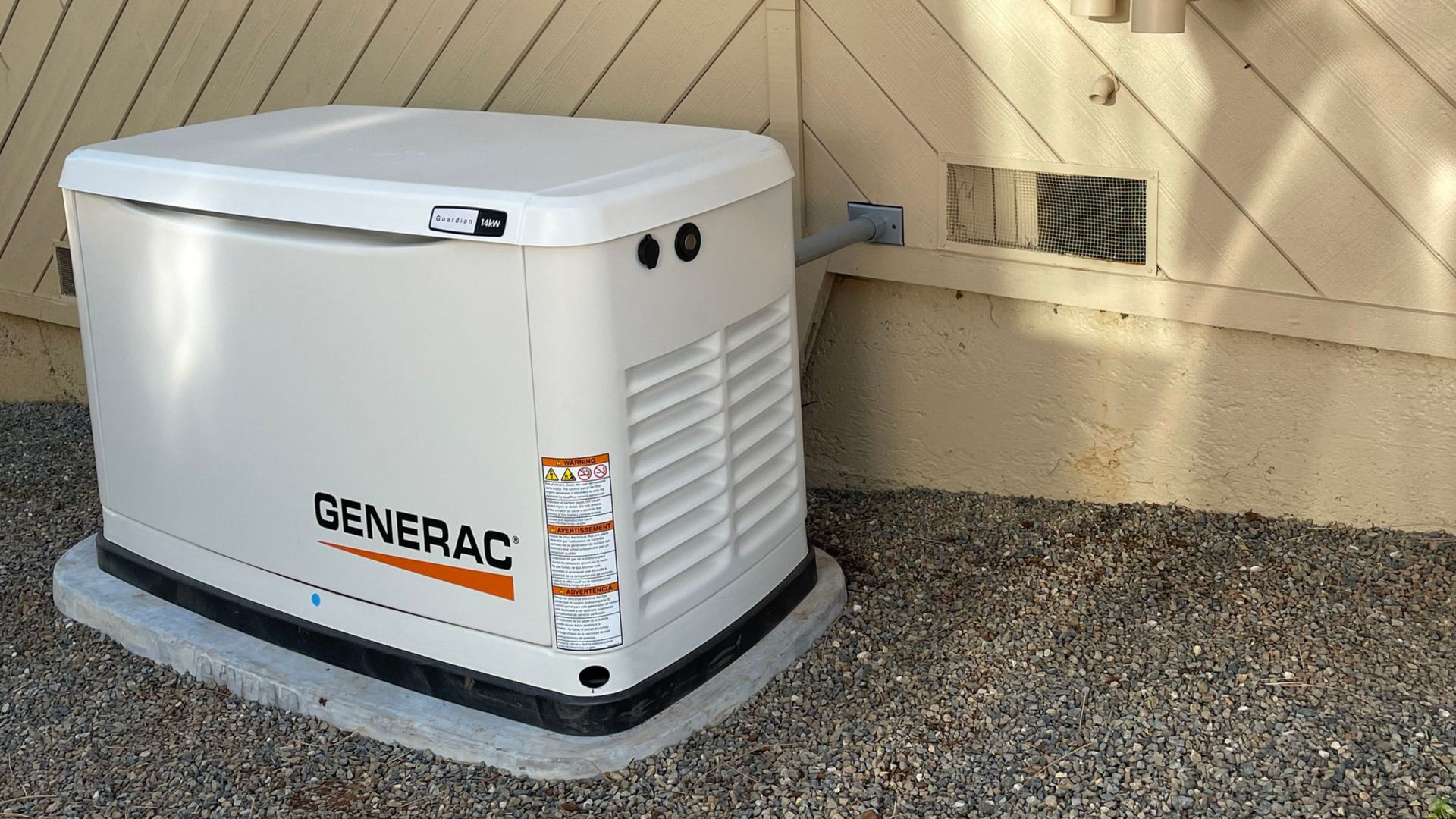
The right generator size depends on your home's electrical demand, the appliances and systems you want to operate during an outage, and whether you need essential circuit backup or whole-home power. While square footage, bedrooms, bathrooms, and garage size provide a helpful starting point, a professional electrical load calculation is the most accurate way to determine the correct standby generator size for your home.


Power outages can happen without warning due to storms, wildfires, utility failures, or planned Public Safety Power Shutoffs (PSPS). For homeowners throughout Northern California, having a reliable backup power solution can provide peace of mind when electrical service is interrupted.


A properly sized standby generator can keep essential systems running, including lighting, refrigeration, heating and cooling systems, internet equipment, medical devices, and other important household appliances.


The key is selecting a generator that matches your home's electrical demand. A generator that is too small may overload or fail to operate properly. A generator that is too large may increase equipment and installation costs without providing meaningful benefits.


Why Generator Size Matters

Your generator must provide enough power to handle both the normal operating needs and the startup surge of your home's electrical equipment.


Several factors influence the generator size your home requires, including:

  • Square footage of your home
  • Number of bedrooms and bathrooms
  • Garage size and electrical setup
  • Heating and cooling systems
  • Electric or gas appliances
  • Electric water heaters
  • Well pumps
  • Medical equipment
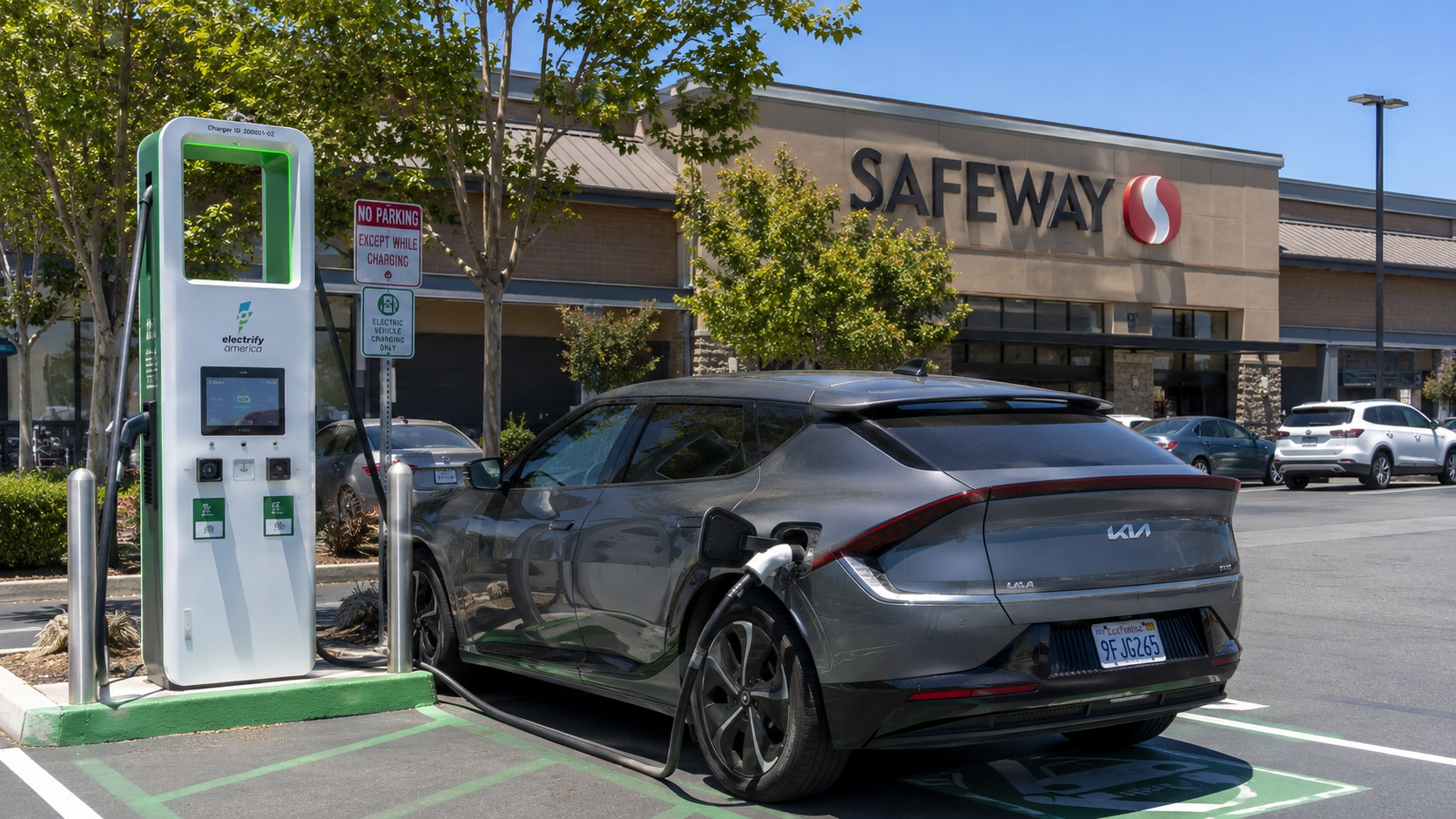
  • EV chargers
  • Pools, spas, or outdoor equipment
  • Future remodeling plans
  • Whether you want essential circuit backup or whole-home power


A licensed electrician can perform a professional load calculation to determine the proper generator capacity for your specific home.


Generator Size Guide by Home Size

Although every home's electrical needs are different, many homeowners begin by comparing their property size and layout to similar homes. Square footage is a useful starting point, but it is only one part of the generator sizing process.


Homes Up to 1,200 Square Feet

A home of this size typically has:

  • 2 to 3 bedrooms
  • 1 to 2 bathrooms
  • 1-car garage


Many homes in this range may be well suited for a 10 to 14 kW standby generator, especially when the goal is to power essential circuits such as refrigeration, lighting, heating, and basic household electronics.


Homes Between 1,200 and 2,000 Square Feet

These homes commonly include:

  • 3 bedrooms
  • 2 bathrooms
  • 2-car garage


A 14 to 18 kW standby generator is often considered for homes in this range. The final recommendation depends on the home's appliances, HVAC system, and whether the homeowner wants partial or whole-home backup.


Homes Between 2,000 and 3,000 Square Feet

Many homes in this category feature:

  • 3 to 4 bedrooms
  • 2 to 3 bathrooms
  • 2 or 3-car garages


An 18 to 22 kW standby generator may be appropriate for homes with larger electrical loads, including central air conditioning, additional appliances, and increased daily power demands.


Homes Between 3,000 and 4,000 Square Feet

These larger homes typically include:

  • 4 to 5 bedrooms
  • 3 to 4 bathrooms
  • 3-car garage

A 22 to 26 kW standby generator is commonly considered for larger homes that require dependable whole-home backup power.


Homes Larger Than 4,000 Square Feet

Luxury and custom homes often include:

  • 5 or more bedrooms
  • Multiple bathrooms
  • Three or more garage spaces
  • Multiple HVAC systems
  • Home offices
  • Workshops
  • Guest spaces
  • Extensive lighting and electrical features


These homes may require a 26 to 38+ kW standby generator, depending on the property's total electrical demand.


Other Factors That Affect Generator Size

Square footage alone does not determine generator size. Two homes with the same floor plan can require different generator capacities based on the equipment installed.


You may need a larger generator if your home includes:

  • Multiple HVAC systems
  • Electric water heaters
  • Electric ranges or ovens
  • Electric clothes dryers
  • Well pumps
  • Pool or spa equipment
  • Detached workshops
  • Additional refrigerators or freezers
  • Medical equipment
  • Extensive home electronics
  • EV home charger installations
  • Future electrical upgrades


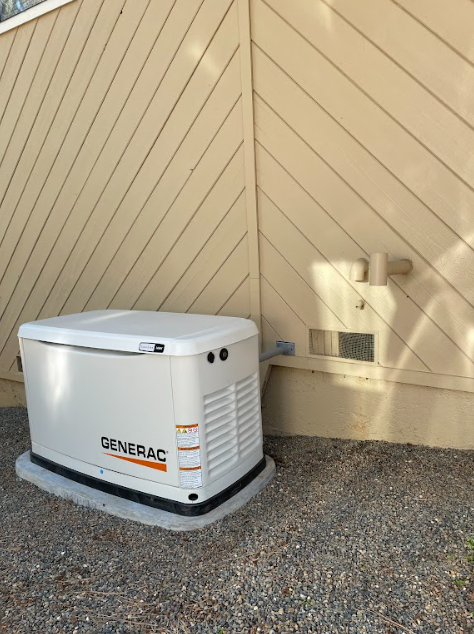
Generac Standby Generators and Professional Installation

A standby generator is a major investment in your home's safety and reliability. Choosing the right equipment and having it installed correctly are both critical to ensuring dependable performance.


Western Sierra Electric Inc. is a Generac dealer, Generac installer, and authorized Generac service provider. Our team helps homeowners select the right generator solution, complete professional installation, and maintain their equipment for long-term reliability.


As a Generac dealer and authorized service provider, Western Sierra Electric Inc. can assist with:

  • Generator selection and sizing guidance
  • Standby generator installation
  • Automatic transfer switch installation
  • Generator maintenance and service
  • Troubleshooting and repairs
  • Electrical upgrades needed for generator installation


Whole-Home Backup vs. Essential Circuit Backup

Before choosing a generator, it is important to decide how much of your home you want to power during an outage.


Essential Circuit Backup

Some homeowners choose to power only critical systems, such as:

  • Refrigerator and freezer
  • Interior lighting
  • Internet equipment
  • Heating systems
  • Medical equipment
  • Garage door opener
  • Essential appliances


This option may allow for a smaller generator and lower installation costs.


Whole-Home Backup

A whole-home standby generator provides automatic backup power to most or all of your home's electrical circuits.


This allows you to continue using:

  • HVAC systems
  • Kitchen appliances
  • Electronics
  • Lighting
  • Home offices
  • Other everyday electrical systems


Many homeowners prefer whole-home backup because it provides convenience and reduces disruption during extended outages.


Why a Professional Load Calculation Matters

The most accurate way to determine generator size is through a professional electrical load calculation.


During this process, an electrician evaluates:

  • Your electrical panel capacity
  • Existing electrical loads
  • Appliance requirements
  • Startup wattage demands
  • Future electrical needs


This helps ensure your generator is properly sized, operates efficiently, and provides reliable power when you need it most.


Residential Electrical Services

Western Sierra Electric Inc. provides a full range of residential electrical services throughout Northern California.


Residential services include:

  • Electrical remodels
  • Electrical repairs
  • Panel upgrades
  • Electrical home inspections
  • Underground conduit installation
  • Dock lighting
  • EV home charger installations
  • Emergency generator systems
  • Temporary power poles


Whether you are installing a Generac standby generator, upgrading your electrical panel, or preparing your home for future electrical needs, Western Sierra Electric Inc. provides professional electrical solutions.


Commercial and Industrial Electrical Services

Western Sierra Electric Inc. also provides commercial and industrial electrical services, including:

  • Tenant improvements
  • Service upgrades
  • Sign lighting
  • Parking lot lighting
  • Security wiring
  • Control wiring
  • Commercial fleet EV charger installations


Our team helps businesses maintain safe, reliable electrical systems designed to support daily operations.


Proudly Serving Northern California

Western Sierra Electric Inc. proudly serves homeowners and businesses throughout Northern California, including:

  • Pollock Pines
  • Placerville
  • Sly Park
  • Grizzly Flats
  • South Lake Tahoe
  • Kirkwood
  • Georgetown
  • Garden Valley
  • Granite Bay
  • Coloma
  • Auburn
  • Grass Valley
  • Rocklin
  • Roseville
  • Folsom
  • Ione
  • Jackson
  • Camino
  • Somerset
  • Serrano
  • Meyers
  • Davis
  • Fairfield
  • Sacramento
  • El Dorado Hills
  • El Dorado
  • Diamond Springs
  • Strawberry
  • Cameron Park
  • Rescue
  • Shingle Springs


From generator installation and service to electrical upgrades and inspections, Western Sierra Electric Inc. helps Northern California homeowners and businesses prepare for reliable power.


Conclusion

Choosing the right generator requires more than selecting a unit based only on your home's size. The best generator solution considers your home's electrical demand, the systems you want to protect, and your future power needs.


Working with a Generac dealer, authorized installer, and authorized service provider like Western Sierra Electric Inc. helps ensure your standby generator is properly selected, professionally installed, and maintained for years of dependable performance.


Contact Western Sierra Electric Inc.

Ready to determine what size generator your home needs?


Call Western Sierra Electric Inc. at (530) 644-5938 to schedule a generator consultation, electrical load evaluation, installation estimate, or generator service appointment.


Our team is ready to help homeowners throughout Northern California protect their homes with reliable backup power solutions.


Frequently Asked Questions


What size Generac generator do I need for my home?

The correct Generac generator size depends on your home's square footage, electrical appliances, HVAC system, and whether you want essential circuit backup or whole-home power. A professional load calculation provides the most accurate recommendation.


Does square footage determine generator size?

Square footage is a helpful starting point, but it is not the only factor. Electrical demand from appliances, HVAC systems, EV chargers, and other equipment must also be considered.


How long does a standby generator last?

With proper installation and regular maintenance, a standby generator can provide many years of reliable service. Routine maintenance helps ensure the system operates properly when needed.


Can a Generac generator power my entire house?

Yes. Properly sized Generac standby generators can provide whole-home backup power. The correct generator size depends on your home's electrical load.


Does Western Sierra Electric service Generac generators?

Yes. Western Sierra Electric Inc. is a Generac dealer, installer, and authorized service provider, offering generator installation, maintenance, troubleshooting, and repair services.


Can a standby generator support an EV charger?

A properly sized standby generator may support EV charging, but the additional electrical demand must be included during the generator sizing process.
by Western Sierra Electric 7 July 2026
Learn when underground conduit should be used for EV chargers, its benefits, costs, and installation tips. Serving Northern California. Call Western Sierra Electric Inc. at (530) 644-5938.
by Western Sierra Electric 22 June 2026
Learn how LED parking lot lighting upgrades reduce energy costs, improve safety, and lower maintenance expenses for commercial properties.
by Western Sierra Electric 5 June 2026
Learn whether a generator can be used as a long-term primary power source, including costs, maintenance, sizing, and installation considerations.
by Western Sierra Electric 21 May 2026
Learn how long commercial EV charger installation takes, what affects timelines, and how Northern California businesses can prepare.
by Western Sierra Electric 6 May 2026
Discover the longest-lasting lighting for boat docks and why LED is the best choice for durability, efficiency, and performance.
by Western Sierra Electric 23 April 2026
Learn how upgrading your electrical panel impacts home value, safety, and buyer appeal, especially in Northern California markets.
by Western Sierra Electric 10 April 2026
Learn what to do during a power outage, stay safe, and protect your home. Expert tips from a trusted Northern California electrician.
by Western Sierra Electric 26 March 2026
Learn if your electrical panel can handle new circuits and when upgrades are needed. Expert tips for homes and businesses.
by Western Sierra Electric 10 March 2026
Electrical work can temporarily affect business operations, but with proper planning, experienced electricians, and scheduled service windows, disruptions are usually minimal. Many electrical upgrades, repairs, and installations can be completed in phases, after hours, or during low traffic periods so businesses can remain open and continue serving customers safely. Electrical systems are critical for every business. Lighting, equipment, security systems, and HVAC often rely on stable power. When upgrades or repairs are needed, many business owners worry about closures or lost productivity. The good news is that most electrical work can be scheduled and staged in ways that reduce or eliminate operational interruptions. Professional electricians regularly coordinate with businesses to complete work safely while maintaining daily operations. When Electrical Work Might Affect Business Operations Some electrical projects require temporary power interruptions. However, these interruptions are usually short and planned ahead of time. Situations that may require downtime include: Major service upgrades Electrical panel replacements Large equipment installations Emergency electrical repairs Infrastructure improvements such as underground conduit installation For example, a service upgrade may require a short shutdown while the main power connection is transferred. In many cases, this can be completed in a few hours. Electrical Projects That Often Have Minimal Disruption Many electrical services can be completed while your business remains open. Common examples include: Tenant improvements Sign and parking lot lighting installation Security and control wiring EV charger installations for commercial fleets Lighting upgrades Electrical inspections Work can often be done in sections so power remains active in most areas of the building. Strategies Electricians Use to Reduce Business Downtime Professional electricians use several strategies to help businesses continue operating during electrical work. Scheduled Work Windows Projects are often scheduled during: Evenings Early mornings Weekends Seasonal slow periods Phased Installation Large projects can be divided into stages so only certain sections of a building are affected at a time. Temporary Power Solutions Temporary power systems may be installed to keep critical equipment running during upgrades. Clear Planning and Communication A detailed project plan helps businesses prepare for any short interruptions. Electrical Services That Support Business Operations Businesses often schedule electrical upgrades to improve safety, efficiency, and capacity. Commercial and industrial electrical services may include: Tenant improvements Service upgrades Sign and parking lot lighting Security and control wiring EV charger installations for commercial fleets These upgrades can improve energy efficiency, safety compliance, and operational reliability. Residential Electrical Services Available In addition to commercial projects, many electricians provide residential electrical services that support homeowners and property managers. Common residential services include: Remodels Electrical repairs Panel upgrades Electrical home inspections Underground conduit installation Dock lighting EV home charger installations Emergency generator systems Temporary power poles These services help maintain safe and reliable power for homes and properties. Local Electrical Services Across Northern California Western Sierra Electric Inc . serves many communities throughout Northern California. Service areas include: Pollock Pines Placerville Sly Park Grizzly Flats South Lake Tahoe Kirkwood Georgetown Garden Valley Granite Bay Coloma Auburn Grass Valley Rocklin Roseville Folsom Ione Jackson Camino Somerset Serrano Meyers Davis Fairfield Sacramento El Dorado Hills El Dorado Diamond Springs Strawberry Cameron Park Rescue Shingle Springs Local electricians understand the infrastructure, permitting requirements, and environmental conditions specific to Northern California communities. How to Prepare Your Business for Electrical Work A little preparation can make electrical projects smoother. Consider these steps: Schedule work during slower business hours if possible. Notify employees and customers about planned upgrades. Back up important data before scheduled power interruptions. Identify critical equipment that requires continuous power. Coordinate timelines with your electrician in advance. Preparation helps minimize inconvenience and keeps operations running smoothly. Conclusion Electrical upgrades and repairs are sometimes unavoidable, but they do not have to interrupt your business. With proper planning, phased work schedules, and experienced electricians, most projects can be completed with little impact on daily operations. Investing in professional electrical work improves safety, reliability, and long term performance for both commercial and residential properties. If you need electrical upgrades, repairs, or installations for your home or business, contact Western Sierra Electric Inc. at (530) 644-5938 to schedule service or discuss your project. Frequently Asked Questions Q: How long does a commercial electrical upgrade usually take? A: Most upgrades can be completed within several hours to a couple of days depending on the size of the system and the scope of work. Q: Can electrical work be scheduled after business hours? A: Yes. Many electricians offer evening or weekend scheduling so businesses can avoid peak operating hours. Q: Will my power always need to be turned off? A: Not always. Many electrical installations and wiring projects can be performed while power remains active in other areas. Q: Are EV charger installations disruptive to business operations? A: Typically not. EV chargers for commercial fleets can often be installed with minimal disruption, especially when work is scheduled during low activity periods. Q: Why should businesses upgrade their electrical systems? A: Upgrades improve safety, support modern equipment, increase electrical capacity, and help businesses meet current electrical codes.
by Western Sierra Electric 24 February 2026
Parking lot lighting differs from regular outdoor lighting because it is designed for wide-area illumination, higher mounting heights, stricter safety standards, and commercial-grade durability, while typical outdoor lighting focuses on accenting homes, pathways, or small areas with lower light levels and less complex electrical requirements. In simple terms, parking lot lighting is built for performance, coverage, and liability protection. Regular outdoor lighting is often decorative or functional for small spaces. The difference matters for businesses, HOAs, industrial sites, and multi-use properties across Northern California. Let’s break down what sets them apart. Purpose and Performance: Coverage vs. Accent The biggest difference is intent. Parking Lot Lighting Designed to: Illuminate large open areas evenly Reduce shadows and dark zones Improve pedestrian and vehicle visibility Deter theft and vandalism Meet commercial safety codes Common in: Retail centers Office complexes Industrial facilities Apartment communities Municipal lots Regular Outdoor Lighting Designed to: Highlight landscaping Light entryways and walkways Provide backyard visibility Improve curb appeal Common in: Residential homes Small private properties Decorative applications Parking lots require uniform light distribution across thousands of square feet. A few wall-mounted fixtures are not enough. Mounting Height and Fixture Design Parking Lot Fixtures Mounted on poles 15 to 40 feet high Use high-output LED luminaires Designed for wide beam spread Engineered for weather, wind, and vibration resistance These fixtures must deliver consistent brightness across large areas without creating glare for drivers. Standard Outdoor Fixtures Mounted 8 to 12 feet high, often lower Lower lumen output Narrower beam focus Often decorative in design The engineering requirements are significantly different. Light Levels and Safety Standards Parking lot lighting must meet higher illumination standards. Commercial properties are often required to follow guidelines for foot-candle levels, uniformity ratios, and local lighting ordinances. Businesses in areas like Pollock Pines, Placerville, South Lake Tahoe, Sacramento, El Dorado Hills, Roseville, Folsom, Auburn, Grass Valley, Cameron Park, and surrounding Northern California communities must also consider dark-sky regulations and glare control. Regular outdoor lighting rarely involves the same compliance considerations. Electrical Infrastructure Differences Parking lot lighting typically requires: Dedicated commercial circuits Underground conduit installation Larger service capacity Service upgrades in some cases Timers, photocells, or smart controls By contrast, residential outdoor lighting may tie into an existing panel with minimal infrastructure changes. For commercial and industrial properties, this often connects with broader electrical needs such as: Tenant improvements Service upgrades Security and control wiring EV charger installations for commercial fleets Sign and parking lot lighting systems Energy Efficiency and Cost Considerations Modern parking lot lighting relies heavily on LED technology to reduce long-term operating costs. High-efficiency fixtures paired with smart controls can significantly lower energy bills for commercial properties. Residential outdoor lighting systems are smaller scale and typically have much lower overall consumption, even if they use similar LED technology. The financial impact of a poorly designed parking lot lighting system is much greater than that of a backyard lighting setup. Maintenance and Liability Parking lot lighting is directly tied to liability risk. Poor lighting can contribute to: Slip and fall incidents Vehicle accidents Security concerns Insurance claims Commercial systems must be reliable and regularly maintained. This often involves bucket truck access, pole inspections, and fixture replacements at height. Residential lighting rarely carries the same legal exposure. Local Expertise Matters in Northern California Properties across Northern California face unique conditions, including snow loads in areas like Kirkwood and South Lake Tahoe, wildfire considerations in Grizzly Flats and Camino, and expanding commercial growth in Roseville, Rocklin, and Sacramento. Western Sierra Electric Inc . serves communities including: Pollock Pines, Placerville, Sly Park, Grizzly Flats, South Lake Tahoe, Kirkwood, Georgetown, Garden Valley, Granite Bay, Coloma, Auburn, Grass Valley, Rocklin, Roseville, Folsom, Ione, Jackson, Camino, Somerset, Serrano, Meyers, Davis, Fairfield, Sacramento, El Dorado Hills, El Dorado, Diamond Springs, Strawberry, Cameron Park, Rescue, and Shingle Springs. Whether you need sign and parking lot lighting, service upgrades, security and control wiring, or EV charger installations for commercial fleets, proper design and installation ensures safety, efficiency, and long-term reliability. Western Sierra Electric Inc. also provides residential services such as remodels, repairs, panel upgrades, electrical home inspections, underground conduit installation, dock lighting, EV home charger installations, emergency generator systems, and temporary power poles. When Should You Upgrade to Commercial-Grade Parking Lot Lighting? Consider upgrading if: Your lot has dark spots or uneven lighting You are expanding your building or tenant space You are adding EV charging stations You are upgrading your electrical service Your fixtures are outdated metal halide or high-pressure sodium You are concerned about safety or security A professional evaluation can identify compliance gaps and efficiency opportunities. Conclusion Parking lot lighting is a specialized commercial system designed for safety, compliance, durability, and large-area coverage. Regular outdoor lighting serves a different purpose and does not meet the same performance or infrastructure requirements. If you own or manage a commercial property in Northern California, investing in properly engineered parking lot lighting protects your tenants, customers, and business. For expert parking lot lighting design, upgrades, or repairs in Northern California, contact Western Sierra Electric Inc. at (530) 644-5938 today. Frequently Asked Questions Q: Is parking lot lighting required by code? A: In most commercial settings, yes. Local municipalities often set minimum illumination standards for safety and accessibility. Q: How long do LED parking lot lights last? A: Commercial-grade LED fixtures typically last 50,000 to 100,000 hours, depending on quality and operating conditions. Q: Can I convert my existing parking lot lights to LED? A: Yes. Many older systems can be retrofitted or fully replaced for improved energy efficiency and performance. To learn more read: Can I Convert My Existing Parking Lot Lights to LED? Here's What You Need to Know Q: Does parking lot lighting increase property value? A: Proper lighting can enhance safety perception, tenant satisfaction, and overall property appeal, which may positively impact value. Q: Can parking lot lighting integrate with EV charging stations? A: Yes. Electrical infrastructure upgrades often coordinate with EV charger installations for commercial fleets and public use.