
How Often Should I Have My Home Electrical System Inspected? Here is What Experts Recommend...

Western Sierra Electric • 19 September 2025

Expert insights on how frequently homeowners should schedule electrical inspections, what licensed electricians look for, and why routine checkups protect your family and investment.
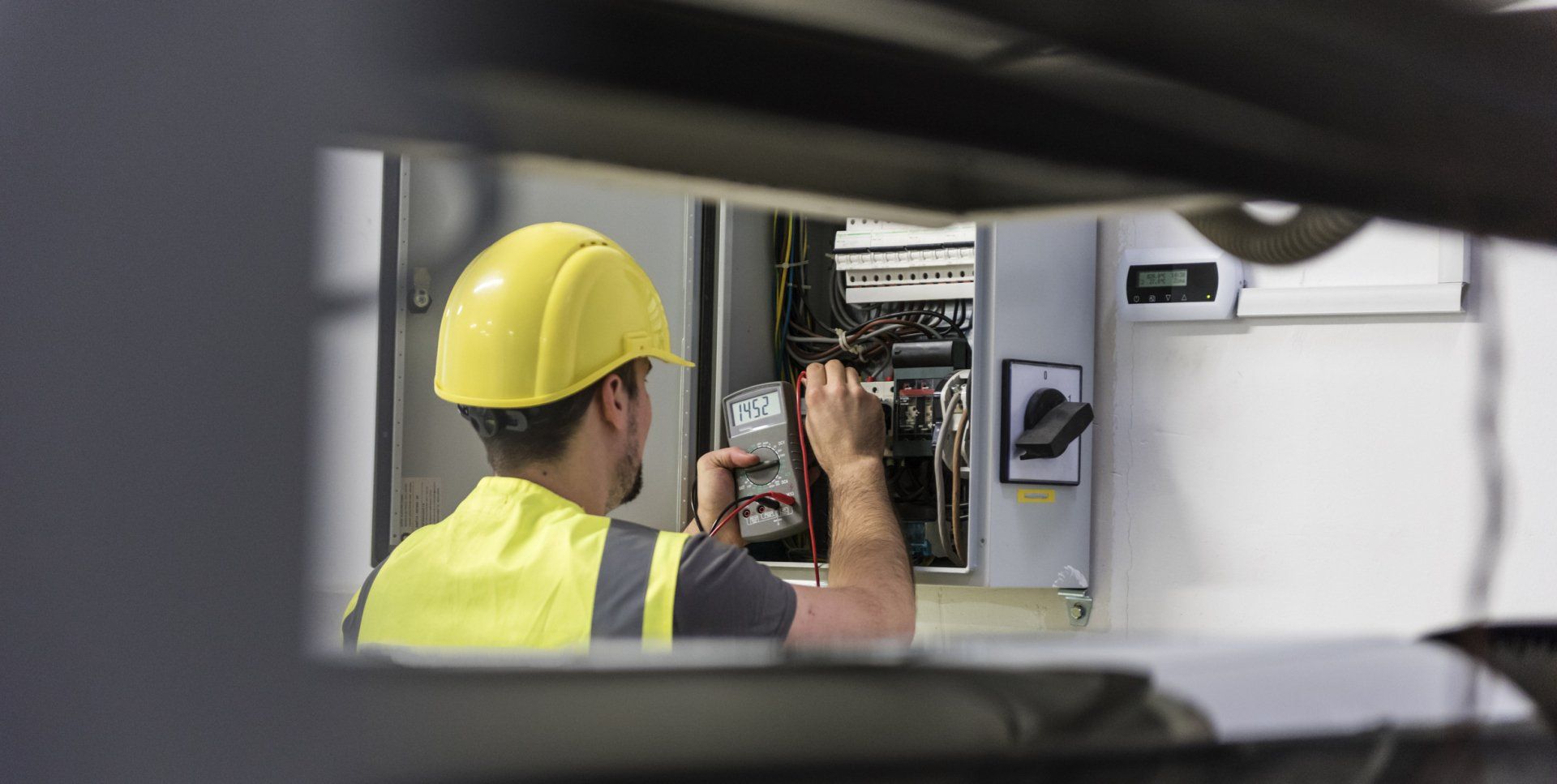
Owning a home means staying on top of regular maintenance, and your electrical system should be at the top of that list. Electrical inspections not only keep your home safe but also ensure your system is running efficiently. The National Fire Protection Association reports that faulty wiring is one of the leading causes of house fires in the United States. That is why experts strongly recommend scheduling routine inspections to catch problems before they become hazards.

So, how often should you have your home electrical system inspected? Here is what professional electricians say.

Recommended Frequency of Electrical Inspections

Industry experts generally recommend that homeowners schedule a professional electrical inspection every 3 to 5 years. However, this timeline can change depending on several factors such as:

  • Age of the home – If your home is more than 40 years old, inspections should be more frequent due to outdated wiring or panels.
  • Major renovations or additions – Any time you remodel, add square footage, or install large appliances, you should have your electrical system checked.
  • Before buying or selling a home – A pre-purchase or pre-sale inspection protects both buyers and sellers.
  • Visible warning signs – Flickering lights, burning odors, tripped breakers, or warm outlets should prompt an immediate inspection.

What Electricians Look for During an Inspection

A licensed electrician will carefully evaluate your electrical system to ensure it is safe, code-compliant, and capable of meeting your household needs. The inspection typically includes:

  • Checking the electrical panel for wear, damage, or outdated components
  • Inspecting wiring and connections for safety and efficiency
  • Testing outlets, switches, and ground fault circuit interrupters (GFCIs)
  • Ensuring surge protection is in place
  • Verifying proper grounding and bonding
  • Evaluating lighting systems and load capacity

This comprehensive checkup helps prevent fire hazards, electrical shocks, and costly repairs.

Why Regular Electrical Inspections Matter

Electrical inspections are not just about compliance. They protect your family and your investment in your home. Here are the top benefits:

  • Safety – Detect potential fire hazards before they cause damage.
  • Efficiency – Ensure your system is running optimally, saving you money on energy costs.
  • Peace of mind – Know that your home meets safety codes and can handle your electrical demands.
  • Property value – A well-maintained electrical system increases buyer confidence if you decide to sell.

Call the Experts You Can Trust

For reliable and professional electrical inspections, turn to the experts at Western Sierra Electric Inc. Our licensed electricians proudly serve El Dorado Hills, Folsom, Cameron Park, Shingle Springs, Placerville, and surrounding communities

Call us today at 530-644-5938 to schedule your inspection and protect your home.

Here are some frequently asked questions that we often get related to electrical inspections:

Q: How long does a home electrical inspection take?
A: Most inspections take between one to two hours depending on the size of your home and the complexity of the electrical system.
Larger or older homes may require additional time.

Q: What are the signs I need an electrical inspection right away?
A: Call an electrician immediately if you notice flickering lights, burning smells, frequent breaker trips, sparking outlets, or discolored outlet covers. These are warning signs of serious electrical issues.

Q: Is an electrical inspection required when selling a home?
A: While not always legally required, most real estate agents recommend an electrical inspection before selling. It provides transparency for buyers and helps avoid delays during the closing process.
by Western Sierra Electric 21 May 2026
Learn how long commercial EV charger installation takes, what affects timelines, and how Northern California businesses can prepare.

by Western Sierra Electric 6 May 2026
Discover the longest-lasting lighting for boat docks and why LED is the best choice for durability, efficiency, and performance.

by Western Sierra Electric 23 April 2026
Learn how upgrading your electrical panel impacts home value, safety, and buyer appeal, especially in Northern California markets.
by Western Sierra Electric 10 April 2026
Learn what to do during a power outage, stay safe, and protect your home. Expert tips from a trusted Northern California electrician.
by Western Sierra Electric 26 March 2026
Learn if your electrical panel can handle new circuits and when upgrades are needed. Expert tips for homes and businesses.
by Western Sierra Electric 10 March 2026
Electrical work can temporarily affect business operations, but with proper planning, experienced electricians, and scheduled service windows, disruptions are usually minimal. Many electrical upgrades, repairs, and installations can be completed in phases, after hours, or during low traffic periods so businesses can remain open and continue serving customers safely. Electrical systems are critical for every business. Lighting, equipment, security systems, and HVAC often rely on stable power. When upgrades or repairs are needed, many business owners worry about closures or lost productivity. The good news is that most electrical work can be scheduled and staged in ways that reduce or eliminate operational interruptions. Professional electricians regularly coordinate with businesses to complete work safely while maintaining daily operations. When Electrical Work Might Affect Business Operations Some electrical projects require temporary power interruptions. However, these interruptions are usually short and planned ahead of time. Situations that may require downtime include: Major service upgrades Electrical panel replacements Large equipment installations Emergency electrical repairs Infrastructure improvements such as underground conduit installation For example, a service upgrade may require a short shutdown while the main power connection is transferred. In many cases, this can be completed in a few hours. Electrical Projects That Often Have Minimal Disruption Many electrical services can be completed while your business remains open. Common examples include: Tenant improvements Sign and parking lot lighting installation Security and control wiring EV charger installations for commercial fleets Lighting upgrades Electrical inspections Work can often be done in sections so power remains active in most areas of the building. Strategies Electricians Use to Reduce Business Downtime Professional electricians use several strategies to help businesses continue operating during electrical work. Scheduled Work Windows Projects are often scheduled during: Evenings Early mornings Weekends Seasonal slow periods Phased Installation Large projects can be divided into stages so only certain sections of a building are affected at a time. Temporary Power Solutions Temporary power systems may be installed to keep critical equipment running during upgrades. Clear Planning and Communication A detailed project plan helps businesses prepare for any short interruptions. Electrical Services That Support Business Operations Businesses often schedule electrical upgrades to improve safety, efficiency, and capacity. Commercial and industrial electrical services may include: Tenant improvements Service upgrades Sign and parking lot lighting Security and control wiring EV charger installations for commercial fleets These upgrades can improve energy efficiency, safety compliance, and operational reliability. Residential Electrical Services Available In addition to commercial projects, many electricians provide residential electrical services that support homeowners and property managers. Common residential services include: Remodels Electrical repairs Panel upgrades Electrical home inspections Underground conduit installation Dock lighting EV home charger installations Emergency generator systems Temporary power poles These services help maintain safe and reliable power for homes and properties. Local Electrical Services Across Northern California Western Sierra Electric Inc . serves many communities throughout Northern California. Service areas include: Pollock Pines Placerville Sly Park Grizzly Flats South Lake Tahoe Kirkwood Georgetown Garden Valley Granite Bay Coloma Auburn Grass Valley Rocklin Roseville Folsom Ione Jackson Camino Somerset Serrano Meyers Davis Fairfield Sacramento El Dorado Hills El Dorado Diamond Springs Strawberry Cameron Park Rescue Shingle Springs Local electricians understand the infrastructure, permitting requirements, and environmental conditions specific to Northern California communities. How to Prepare Your Business for Electrical Work A little preparation can make electrical projects smoother. Consider these steps: Schedule work during slower business hours if possible. Notify employees and customers about planned upgrades. Back up important data before scheduled power interruptions. Identify critical equipment that requires continuous power. Coordinate timelines with your electrician in advance. Preparation helps minimize inconvenience and keeps operations running smoothly. Conclusion Electrical upgrades and repairs are sometimes unavoidable, but they do not have to interrupt your business. With proper planning, phased work schedules, and experienced electricians, most projects can be completed with little impact on daily operations. Investing in professional electrical work improves safety, reliability, and long term performance for both commercial and residential properties. If you need electrical upgrades, repairs, or installations for your home or business, contact Western Sierra Electric Inc. at (530) 644-5938 to schedule service or discuss your project. Frequently Asked Questions Q: How long does a commercial electrical upgrade usually take? A: Most upgrades can be completed within several hours to a couple of days depending on the size of the system and the scope of work. Q: Can electrical work be scheduled after business hours? A: Yes. Many electricians offer evening or weekend scheduling so businesses can avoid peak operating hours. Q: Will my power always need to be turned off? A: Not always. Many electrical installations and wiring projects can be performed while power remains active in other areas. Q: Are EV charger installations disruptive to business operations? A: Typically not. EV chargers for commercial fleets can often be installed with minimal disruption, especially when work is scheduled during low activity periods. Q: Why should businesses upgrade their electrical systems? A: Upgrades improve safety, support modern equipment, increase electrical capacity, and help businesses meet current electrical codes.
by Western Sierra Electric 24 February 2026
Parking lot lighting differs from regular outdoor lighting because it is designed for wide-area illumination, higher mounting heights, stricter safety standards, and commercial-grade durability, while typical outdoor lighting focuses on accenting homes, pathways, or small areas with lower light levels and less complex electrical requirements. In simple terms, parking lot lighting is built for performance, coverage, and liability protection. Regular outdoor lighting is often decorative or functional for small spaces. The difference matters for businesses, HOAs, industrial sites, and multi-use properties across Northern California. Let’s break down what sets them apart. Purpose and Performance: Coverage vs. Accent The biggest difference is intent. Parking Lot Lighting Designed to: Illuminate large open areas evenly Reduce shadows and dark zones Improve pedestrian and vehicle visibility Deter theft and vandalism Meet commercial safety codes Common in: Retail centers Office complexes Industrial facilities Apartment communities Municipal lots Regular Outdoor Lighting Designed to: Highlight landscaping Light entryways and walkways Provide backyard visibility Improve curb appeal Common in: Residential homes Small private properties Decorative applications Parking lots require uniform light distribution across thousands of square feet. A few wall-mounted fixtures are not enough. Mounting Height and Fixture Design Parking Lot Fixtures Mounted on poles 15 to 40 feet high Use high-output LED luminaires Designed for wide beam spread Engineered for weather, wind, and vibration resistance These fixtures must deliver consistent brightness across large areas without creating glare for drivers. Standard Outdoor Fixtures Mounted 8 to 12 feet high, often lower Lower lumen output Narrower beam focus Often decorative in design The engineering requirements are significantly different. Light Levels and Safety Standards Parking lot lighting must meet higher illumination standards. Commercial properties are often required to follow guidelines for foot-candle levels, uniformity ratios, and local lighting ordinances. Businesses in areas like Pollock Pines, Placerville, South Lake Tahoe, Sacramento, El Dorado Hills, Roseville, Folsom, Auburn, Grass Valley, Cameron Park, and surrounding Northern California communities must also consider dark-sky regulations and glare control. Regular outdoor lighting rarely involves the same compliance considerations. Electrical Infrastructure Differences Parking lot lighting typically requires: Dedicated commercial circuits Underground conduit installation Larger service capacity Service upgrades in some cases Timers, photocells, or smart controls By contrast, residential outdoor lighting may tie into an existing panel with minimal infrastructure changes. For commercial and industrial properties, this often connects with broader electrical needs such as: Tenant improvements Service upgrades Security and control wiring EV charger installations for commercial fleets Sign and parking lot lighting systems Energy Efficiency and Cost Considerations Modern parking lot lighting relies heavily on LED technology to reduce long-term operating costs. High-efficiency fixtures paired with smart controls can significantly lower energy bills for commercial properties. Residential outdoor lighting systems are smaller scale and typically have much lower overall consumption, even if they use similar LED technology. The financial impact of a poorly designed parking lot lighting system is much greater than that of a backyard lighting setup. Maintenance and Liability Parking lot lighting is directly tied to liability risk. Poor lighting can contribute to: Slip and fall incidents Vehicle accidents Security concerns Insurance claims Commercial systems must be reliable and regularly maintained. This often involves bucket truck access, pole inspections, and fixture replacements at height. Residential lighting rarely carries the same legal exposure. Local Expertise Matters in Northern California Properties across Northern California face unique conditions, including snow loads in areas like Kirkwood and South Lake Tahoe, wildfire considerations in Grizzly Flats and Camino, and expanding commercial growth in Roseville, Rocklin, and Sacramento. Western Sierra Electric Inc . serves communities including: Pollock Pines, Placerville, Sly Park, Grizzly Flats, South Lake Tahoe, Kirkwood, Georgetown, Garden Valley, Granite Bay, Coloma, Auburn, Grass Valley, Rocklin, Roseville, Folsom, Ione, Jackson, Camino, Somerset, Serrano, Meyers, Davis, Fairfield, Sacramento, El Dorado Hills, El Dorado, Diamond Springs, Strawberry, Cameron Park, Rescue, and Shingle Springs. Whether you need sign and parking lot lighting, service upgrades, security and control wiring, or EV charger installations for commercial fleets, proper design and installation ensures safety, efficiency, and long-term reliability. Western Sierra Electric Inc. also provides residential services such as remodels, repairs, panel upgrades, electrical home inspections, underground conduit installation, dock lighting, EV home charger installations, emergency generator systems, and temporary power poles. When Should You Upgrade to Commercial-Grade Parking Lot Lighting? Consider upgrading if: Your lot has dark spots or uneven lighting You are expanding your building or tenant space You are adding EV charging stations You are upgrading your electrical service Your fixtures are outdated metal halide or high-pressure sodium You are concerned about safety or security A professional evaluation can identify compliance gaps and efficiency opportunities. Conclusion Parking lot lighting is a specialized commercial system designed for safety, compliance, durability, and large-area coverage. Regular outdoor lighting serves a different purpose and does not meet the same performance or infrastructure requirements. If you own or manage a commercial property in Northern California, investing in properly engineered parking lot lighting protects your tenants, customers, and business. For expert parking lot lighting design, upgrades, or repairs in Northern California, contact Western Sierra Electric Inc. at (530) 644-5938 today. Frequently Asked Questions Q: Is parking lot lighting required by code? A: In most commercial settings, yes. Local municipalities often set minimum illumination standards for safety and accessibility. Q: How long do LED parking lot lights last? A: Commercial-grade LED fixtures typically last 50,000 to 100,000 hours, depending on quality and operating conditions. Q: Can I convert my existing parking lot lights to LED? A: Yes. Many older systems can be retrofitted or fully replaced for improved energy efficiency and performance. Q: Does parking lot lighting increase property value? A: Proper lighting can enhance safety perception, tenant satisfaction, and overall property appeal, which may positively impact value. Q: Can parking lot lighting integrate with EV charging stations? A: Yes. Electrical infrastructure upgrades often coordinate with EV charger installations for commercial fleets and public use.
Security and Control Wiring in a Commercial Setting
by Western Sierra Electric 9 February 2026
Learn what security and control wiring is in a commercial setting, how it works, and why professional installation matters for safety and efficiency.
by Western Sierra Electric 26 January 2026
Yes, electrical permits are required for most home and commercial electrical work because they ensure the work meets safety codes, protects occupants from hazards, and complies with local regulations enforced by building departments. In most cases, any electrical work beyond simple like-for-like replacements requires a permit and inspection. This applies to both residential and commercial projects, especially when upgrading panels, adding circuits, installing EV chargers, or modifying existing systems. Permits help verify that licensed professionals complete the work safely and correctly. What Is an Electrical Permit? An electrical permit is official approval from a local building authority that allows electrical work to begin. It ensures the project follows national and local electrical codes and includes inspections to confirm safe installation. Permits are typically required when work involves: New wiring or circuits Changes to existing electrical systems Electrical service upgrades Installation of major equipment or systems When Are Electrical Permits Required for Residential Work? Most residential electrical projects require a permit, especially when safety or load capacity is affected. Common residential jobs that require permits include: Remodels involving new wiring or outlets Electrical repairs beyond basic fixture replacement Panel upgrades or service changes Electrical home inspections tied to sales or renovations Underground conduit installation Dock lighting installations EV home charger installations Emergency generator systems Temporary power poles Simple tasks like replacing a light fixture or outlet with the same type may not require a permit, but local rules vary. When Are Electrical Permits Required for Commercial and Industrial Work? Commercial and industrial electrical work almost always requires permits due to higher power demands, public safety considerations, and stricter code enforcement. Permits are required for projects such as: Tenant improvements Electrical service upgrades Sign and parking lot lighting Security and control wiring EV charger installations for commercial fleets Inspections ensure systems can safely handle load requirements and meet accessibility, fire, and energy standards. Who Is Responsible for Pulling the Permit? In most cases, a licensed electrical contractor handles the permitting process. This protects property owners by ensuring: Proper documentation is filed Work is performed by qualified professionals Inspections are scheduled and passed Homeowners or business owners should avoid unpermitted work, even if a contractor suggests skipping permits. What Happens If You Skip an Electrical Permit? Skipping required permits can lead to serious consequences, including: Failed inspections during property sales Fines or stop-work orders Insurance claim denials Increased fire and shock risks Costly rework to meet code later Unpermitted electrical work can reduce property value and create liability issues. Electrical Permits Across Northern California Permit requirements and enforcement vary by city and county. Western Sierra Electric Inc. works with local jurisdictions throughout Northern California, including Pollock Pines, Placerville, South Lake Tahoe, Sacramento, Roseville, Folsom, Auburn, Grass Valley, El Dorado Hills, Cameron Park, and many surrounding communities. Local knowledge helps ensure permits are handled correctly and efficiently. Why Work With a Licensed Electrical Contractor? Licensed electricians understand when permits are required, how to file them correctly, and how to pass inspections without delays. This saves time, reduces stress, and ensures the work is safe and code-compliant from start to finish. Need permitted electrical work done right the first time? Contact Western Sierra Electric Inc. at (530) 644-5938 to schedule professional residential, commercial, or industrial electrical services across Northern California. Here Are Some Other Questions About Permits We're Frequently Asked: Q: Do I need a permit to replace a breaker panel? A: Yes. Panel upgrades always require a permit and inspection due to safety and load considerations. Q: Are EV charger installations permitted work? A: Yes. Both residential and commercial EV charger installations require permits to verify electrical capacity and safe installation. Q: Can a homeowner pull their own electrical permit? A: Some jurisdictions allow it, but many recommend or require licensed electricians for complex work. Commercial projects typically require licensed contractors. Q: How long does an electrical permit take to get approved? A: Approval times vary by location and project scope. Simple residential permits may be issued quickly, while larger commercial projects can take longer. Q: Will unpermitted work affect my insurance? A: Yes. Insurance companies may deny claims related to unpermitted electrical work.
by Western Sierra Electric 8 January 2026
A licensed electrician should possess a valid state-level contractor’s license, comprehensive liability and workers' compensation insurance, and a proven track record of adherence to the National Electrical Code (NEC). These qualifications ensure the technician has met rigorous testing standards, follows legal safety protocols, and maintains the technical proficiency necessary to handle complex high-voltage systems without risking fire or electrical failure. That is the essential checklist for hiring. Beyond these basics, verifying a professional's standing with local building departments provides an extra layer of security. This matters because electrical work is a highly regulated field where shortcuts can lead to significant safety hazards or legal liabilities. Core Qualifications for Electrical Professionals When evaluating a technician, the first step is verifying their active license status. In many regions, this involves checking a state database to ensure the contractor's license is in good standing and specifically classified for electrical work. This certification confirms they have completed the required hours of supervised experience and passed comprehensive technical examinations. Insurance is the second pillar of a qualified professional. A reputable company carries general liability insurance to cover property damage and workers' compensation to protect the property owner from liability if a technician is injured on-site. Technical Standards and Compliance The National Electrical Code (NEC) serves as the benchmark for safe electrical installations. A qualified electrician remains current with these evolving standards to ensure every repair or installation is up to code. This is particularly important for: Panel Upgrades: Ensuring the system can safely handle modern power demands. Safety Inspections: Identifying outdated wiring or improper grounding. Specialized Installations: Correctly setting up EV chargers or emergency generator systems. For many businesses and homeowners, the best way to verify these qualifications is to ask for a copy of the contractor’s pocket license and a certificate of insurance before any work begins. When General Qualifications May Vary It is important to note that requirements can differ based on the scope of the project. For example, a "journeyman" electrician may perform the work, but they must operate under a licensed "Master Electrician" or a C-10 Electrical Contractor. Additionally, specialized industrial projects, such as security and control wiring or commercial fleet EV installations, may require specific manufacturer certifications that go beyond standard residential licensing. If you need professional assistance with your electrical system, Western Sierra Electric Inc. is available at (530) 644-5938 to discuss your project needs. Service Areas: Pollock Pines, Placerville, Sly Park, Grizzly Flats, South Lake Tahoe, Kirkwood, Georgetown, Garden Valley, Granite Bay, Coloma, Auburn, Grass Valley, Rocklin, Roseville, Folsom, Ione, Jackson, Camino, Somerset, Serrano, Meyers, Davis, Fairfield, Sacramento, El Dorado Hills, El Dorado, Diamond Springs, Strawberry, Cameron Park, Rescue, and Shingle Springs. Professional Services Offered: Remodels, electrical repairs, panel upgrades, home inspections, underground conduit, dock lighting, EV charger installations, emergency generators, temporary power poles, tenant improvements, and commercial security wiring. Here Are Some Other Frequently Asked Questions That You Might Have: Q: Why is an electrical license better than a general handyman's experience? A: A license guarantees the professional has passed specific state exams and met strict experience requirements tailored to high-voltage safety, which general handymen often lack. Q: Do I need to see proof of insurance every time? A: Yes. Verifying active insurance protects you from financial responsibility for accidents or accidental damage to your home or business during the project. Q: What does it mean if an electrician is "bonded"? A: Bonding provides an extra layer of consumer protection, ensuring that the project is completed according to the contract and that any potential financial losses are covered. Q: How do I verify a contractor's license? A: Most states provide an online portal where you can enter a contractor's name or license number to see their current status, bond information, and any past disciplinary actions. Editorial Note This article is based on general industry standards for electrical contracting and safety in Northern California. Specific local ordinances may apply in various jurisdictions.