
What Is Underground Conduit Installation and Why Is It Important? Here’s What to Know
This guide explains what underground conduit installation is, how it works, and why it is a critical part of safe, reliable electrical systems for homes, businesses, and industrial properties.
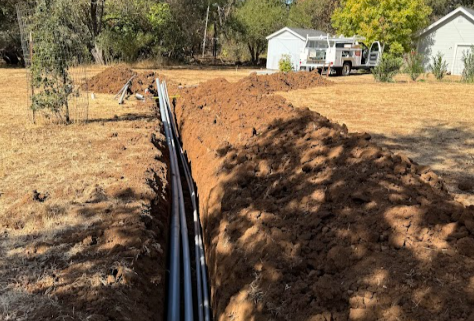
Underground conduit installation is the process of placing protective piping below ground to safely house electrical wiring, shielding it from physical damage, moisture, soil movement, and weather while ensuring long-term reliability and compliance with electrical codes.
In Northern California, underground conduit plays a major role in electrical safety, wildfire prevention, and infrastructure durability. Whether for a new build, remodel, or service upgrade, understanding its purpose helps property owners make informed decisions.
What Is Underground Conduit Installation?
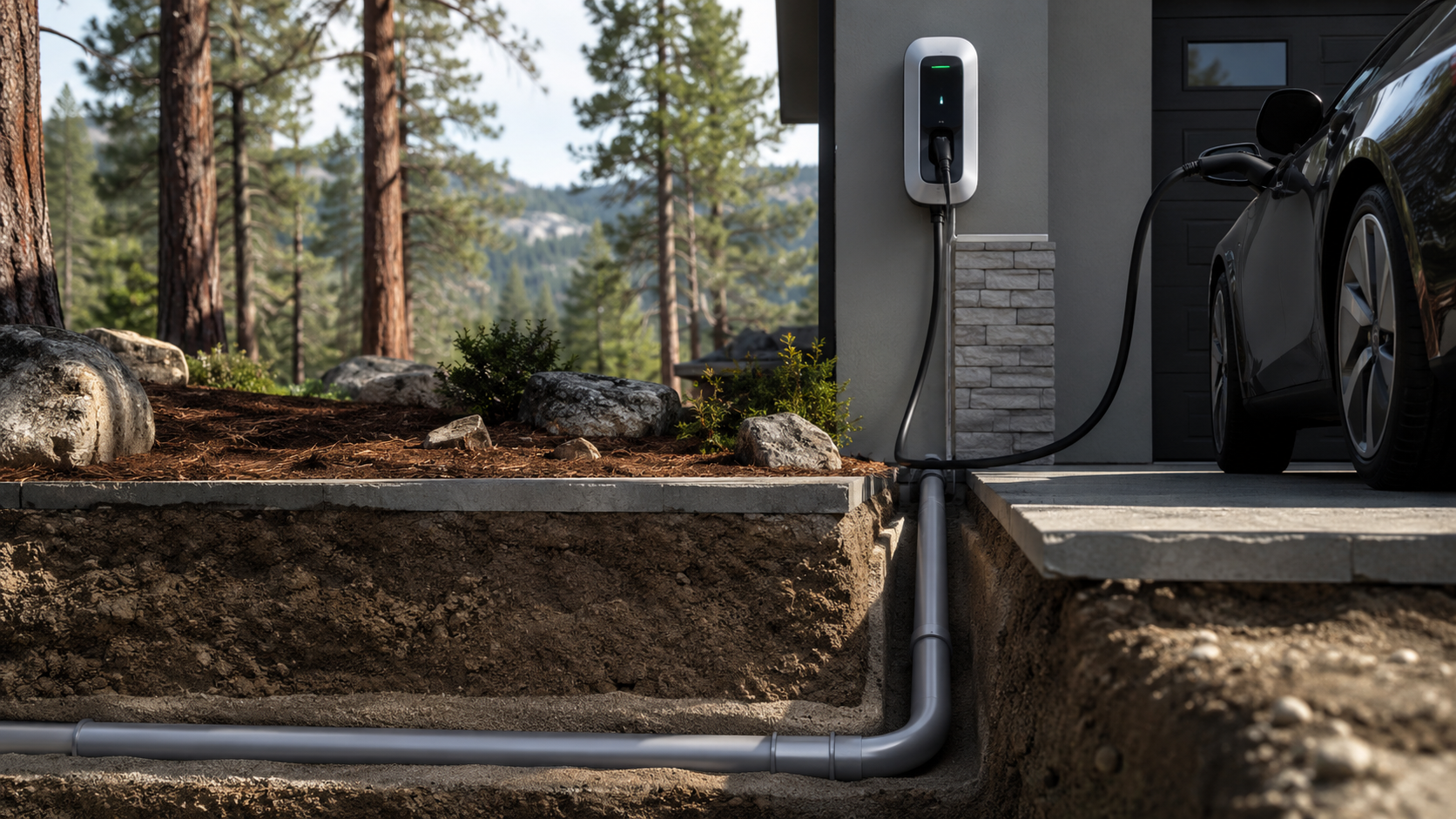
Underground conduit installation involves burying rigid or flexible conduit that contains electrical wiring between power sources and structures. The conduit acts as a protective barrier for electrical conductors.
Common conduit materials include:
- PVC conduit for residential and light commercial use
- Rigid metal conduit for high-impact or industrial environments
- Schedule 40 or Schedule 80 PVC depending on depth and exposure
The installation process typically includes trenching, conduit placement, wire pulling, grounding, and final inspection to ensure code compliance.
Why Underground Conduit Installation Is Important
1. Electrical Safety
Buried conduit protects wiring from accidental contact, reducing the risk of electric shock and fire hazards.
2. Protection From Environmental Damage
Underground conduit shields wiring from moisture, rodents, soil shifting, and extreme weather, which is especially important in mountain and forested regions of Northern California.
3. Code Compliance
Most modern electrical codes require underground conduit for certain applications, including service laterals, detached structures, EV chargers, and temporary power poles.
4. Improved Reliability
Protected wiring experiences fewer outages, less corrosion, and longer service life compared to exposed or overhead wiring.
5. Clean Property Appearance
Underground conduit eliminates visible wiring, improving curb appeal for residential properties and professionalism for commercial sites.
When Is Underground Conduit Required?
Underground conduit installation is commonly required or recommended for:
- New home construction and remodels
- Panel upgrades and service upgrades
- Detached garages, shops, and ADUs
- Dock lighting and outdoor electrical systems
- EV home charger installations
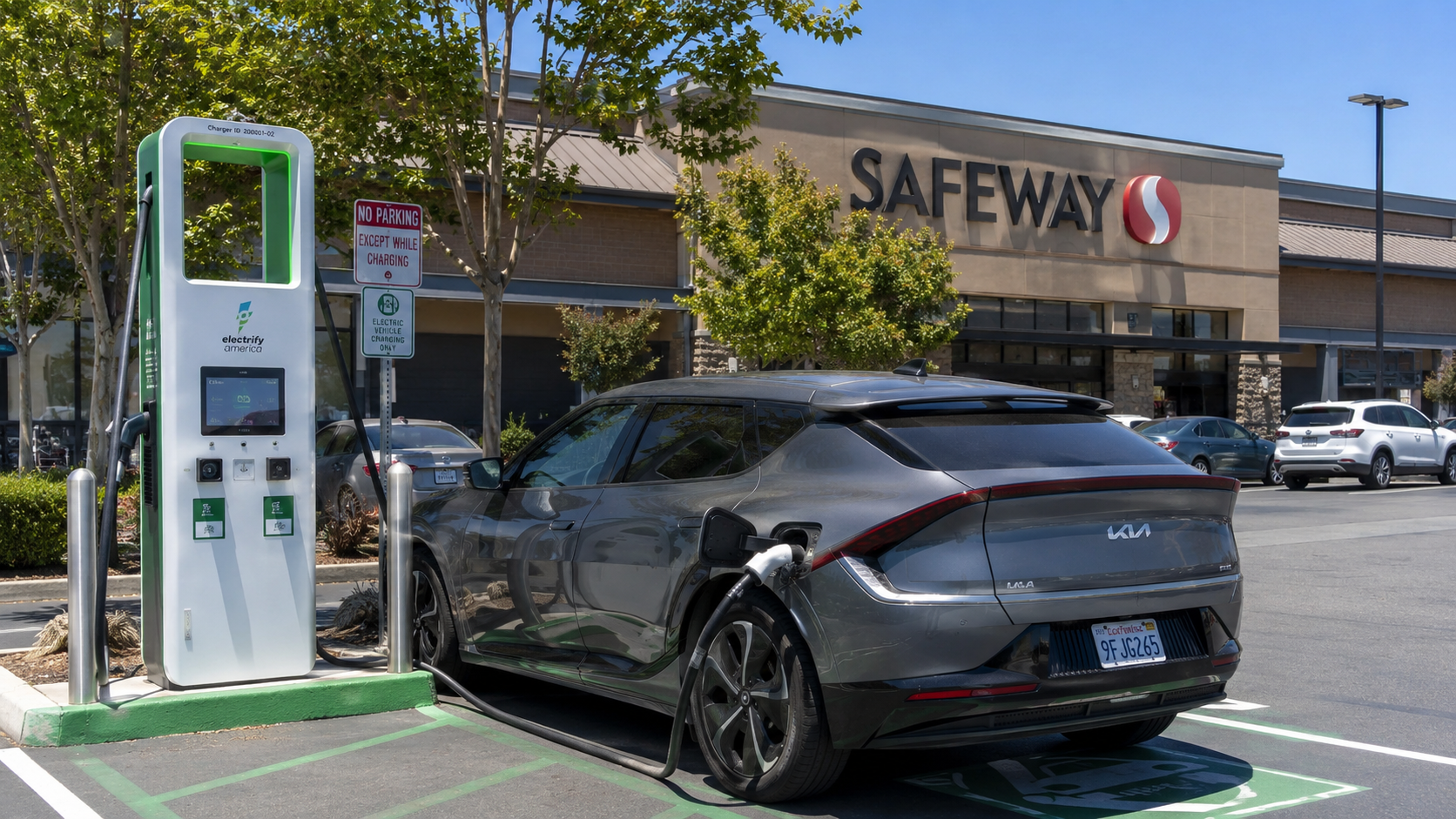
- Commercial fleet EV charger installations
- Temporary power poles
- Security and control wiring
- Sign and parking lot lighting
Local soil conditions, utility requirements, and jurisdiction rules often determine depth and conduit type.
Residential and Commercial Applications
Residential Electrical Services
Western Sierra Electric Inc. installs underground conduit for:
- Remodels and repairs
- Panel upgrades
- Electrical home inspections
- Underground conduit installation
- Dock lighting
- EV home charger installations
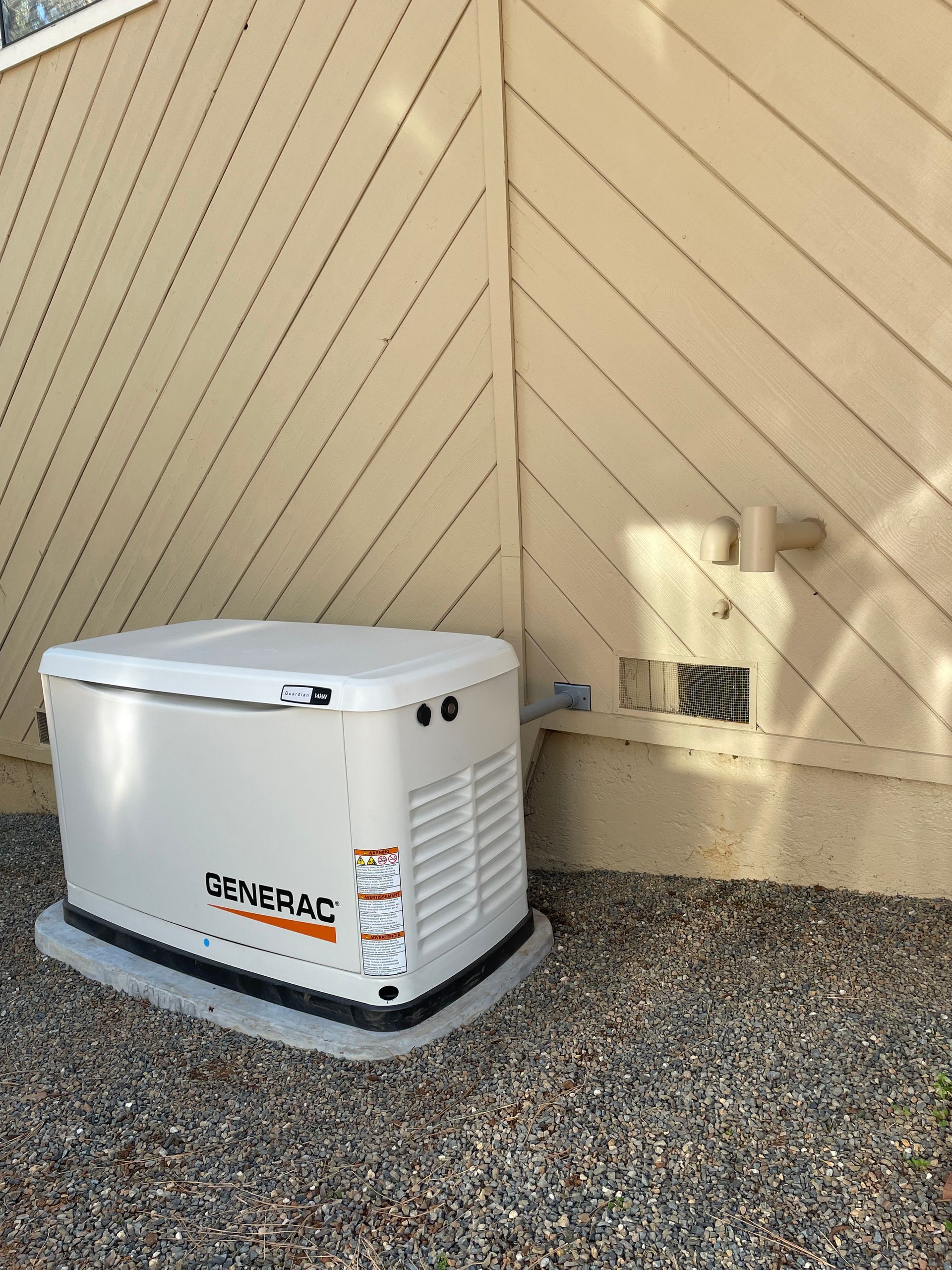
- Emergency generator systems
- Temporary power poles
- Commercial and Industrial Services
Underground conduit is essential for:
- Tenant improvements
- Service upgrades
- Sign and parking lot lighting
- Security and control wiring
- EV charger installations for commercial fleets
Underground Conduit Installation in Northern California
Underground conduit is especially important in wildfire-prone and mountainous areas such as Pollock Pines, Placerville, Sly Park, Grizzly Flats, South Lake Tahoe, Kirkwood, Georgetown, Garden Valley, Granite Bay, Coloma, Auburn, Grass Valley, Rocklin, Roseville, Folsom, Ione, Jackson, Camino, Somerset, Serrano, Meyers, Davis, Fairfield, Sacramento, El Dorado Hills, El Dorado, Diamond Springs, Strawberry, Cameron Park, Rescue, and Shingle Springs.
These regions often require deeper trenching, reinforced conduit, and careful planning to meet safety and inspection standards.
How Long Does Underground Conduit Last?
When properly installed, underground conduit systems can last 40 years or more. Longevity depends on:
- Correct conduit material selection
- Proper burial depth
- Quality workmanship
- Soil conditions and drainage
Professional installation ensures durability and long-term performance.
If you need underground conduit installation or any residential, commercial, or industrial electrical service, contact Western Sierra Electric Inc. at (530) 644-5938 to schedule a consultation and get expert guidance for your project.
Here are some other Frequently Asked Questions we get about underground conduit:
Q: How deep does underground electrical conduit need to be?
A: Depth varies by code and application but typically ranges from 18 to 24 inches for residential installations.
Q: Can underground conduit be used for EV chargers?
A: Yes. Underground conduit is commonly used for both residential EV home chargers and commercial fleet EV charging stations.
For more information on this read: Can Underground Conduit Be Used for EV Chargers? Here's Everything You Should Know
Q: Is PVC conduit safe underground?
A: Yes. PVC conduit is widely approved for underground use when installed correctly and at the proper depth.
Q: Do I need permits for underground conduit installation?
A: In most cases, yes. Permits and inspections are usually required to ensure code compliance and safety.